

Why DIY Pest Control Fails in Southern California Homes
Southern California is well known for its sunny weather, beautiful beaches, and, unfortunately, persistent pest problems. From ants marching into your kitchen to rodents scurrying in the attic, pests are part of life in this vibrant region. For many homeowners, the first instinct is to reach for store-bought sprays and traps in hopes of saving money. But the reality is that DIY pest control fails in Southern California homes more often than it succeeds—leading to repeated infestations, hidden damage, and greater long-term costs. In this blog, we’ll explore why DIY solutions fall short, how they compare to professional pest management, and why residents throughout Southern California are turning to experts like Touchdown Pest Control to reclaim their homes pest-free.

The Allure of DIY Pest Control
It’s easy to understand why homeowners are drawn to do-it-yourself pest control. After all, the hardware store shelves are packed with sprays, granules, and bait stations promising fast results. Advertisements suggest that a few applications of a chemical spray can stop pests in their tracks. At a glance, these products look affordable and simple to use.
But beneath the surface, there’s a harsh truth: DIY pest control fails in Southern California homes more often than not. Let’s break down why.
1. Surface Fixes vs. Root Problems
When you buy a store-bought pest spray, what you’re really getting is a surface-level solution. These products might kill visible insects on contact, but they do nothing to address underlying causes like:
- Hidden nests deep in walls
- Cracks in foundations that harbor ants or termites
- Moisture problems that attract silverfish
- Structural gaps that allow rodents to enter
Without identifying and eliminating the source of the infestation, pests will inevitably return. One initial spray may make a few bugs disappear, but the next wave is usually just around the corner. This is why DIY pest control fails in Southern California homes—it treats symptoms, not the infestation.
2. Misidentification Leads to Misuse
Another major issue is that many homeowners misidentify the pest they’re dealing with. That may sound trivial, but the truth is that proper pest management hinges on knowing exactly what you’re up against.
For example:
- Carpenter ants require different treatment than odorous house ants
- German cockroaches are more resistant to certain pesticides than American cockroaches
- Rodent infestations need exclusion tactics in addition to bait
Using the wrong product on the wrong pest not only wastes money—it can make the problem worse. Because of this, DIY pest control fails in Southern California homes time after time. Professional pest technicians are trained to correctly identify pests and prescribe proven treatments tailored to each situation.
3. Inadequate Application and Safety Risks
Store-bought sprays are designed for easy use, but that simplicity can be deceptive.
Many homeowners underestimate how persistent pests can be or how regularly treatment must be applied for any chance of success. Products often require repeated use weeks apart—something that’s easy to forget amid daily life. Meanwhile, improper application of chemicals can pose serious health risks to children, pets, and even adults.
By contrast, professional services such as Touchdown Pest Control use industry-grade products applied in precise amounts, with an emphasis on safety and effectiveness. Their technicians understand how weather, property layout, and pest behavior impact treatment success—a level of expertise that DIY products simply can’t match.
4. Larger Infestations Require Professional Intervention
Some pests are simply beyond the reach of store-bought solutions. Termites, for example, often build colonies deep underground or inside structural wood. Ant baits might work on surface ants, but they can’t always reach a colony buried beneath concrete or earth.
And rodents? Mice and rats can squeeze through openings as small as a dime, find their way into attic spaces, and reproduce rapidly. A handful of traps won’t stop a growing rodent population once it’s established.
This is exactly where DIY pest control fails in Southern California homes—when the problem is bigger than a small cluster of bugs in the kitchen. Professional intervention becomes essential. Touchdown Pest Control specializes in detecting and eliminating complex infestations before they escalate, using targeted strategies that store sprays can’t replicate.
5. False Savings Turn Into Long-Term Costs
It’s a familiar scenario: a homeowner buys a pest spray for under $20, feels confident, and believes they’re saving money. But within weeks or months, the pests return. The homeowner buys another product. Then another. Maybe try a different brand or a combination of products. Soon, what was meant to be a low-cost solution has turned into repeated expenses.
Then there’s property damage. Termites can compromise structural wood. Rodents can chew on electrical wiring, leading to fire hazards. Ants can contaminate food. What might have cost a few hundred dollars in professional treatment months earlier can escalate to thousands in repairs later.
At the end of the day, DIY pest control fails in Southern California homes not because homeowners aren’t capable, but because the problem often requires professional assessment, strategy, and consistency.
6. The Professional Advantage
Professional pest control services don’t just spray chemicals—they provide a comprehensive plan. This includes:
- Detailed inspection of the property
- Identification of pest species and points of entry
- Customized treatment targeting the root cause
- Follow-up visits and monitoring
- Advice on long-term prevention
For Southern California homeowners, this level of service offers peace of mind. And compared to the cycle of repeated DIY products that never quite fix the problem, professional care can actually be more cost-effective in the long run.
Take Touchdown Pest Control, for example. With years of experience serving the region’s unique climate and pest challenges, Touchdown technicians understand how to tackle everything from ants and spiders to termites and rodents. Their commitment to quality service and customer satisfaction means infestations are handled thoroughly—not just temporarily suppressed.
7. The Importance of Habitat Modification
Another reason DIY approaches fall short is that they don’t typically include habitat modification—the process of changing conditions that attract pests in the first place. Pests thrive where there’s:
- Standing water
- Accessible food sources
- Warm shelter
- Entry points into the home
Professionals look at your home as an ecosystem. They help homeowners identify and mitigate attractants like leaky faucets, cracks around doors and windows, cluttered storage areas, and unsealed food containers. This holistic approach is one reason DIY pest control fails in Southern California homes—because retail products don’t offer integrated habitat solutions.
8. Cost Comparisons: DIY vs. Professional
At first glance, DIY pest control seems cheaper. But when you add up the cost of multiple products over time, plus the value of your time and the risk of property damage, the financial benefits begin to shift toward professional services.
Professional services often include warranty periods or follow-ups, which DIY approaches do not. Many homeowners find that paying once for professional quality beats repeatedly purchasing products that provide limited relief.
9. When DIY Might Be Appropriate
There are some scenarios where DIY products can be a reasonable first step—like treating a single ant trail or isolated fruit flies. But it’s critical to recognize the limits of these products. If the problem persists after a couple of attempts, it’s time to involve professionals.
In many cases, an early professional assessment can stop an infestation before it becomes severe, saving money and stress down the road.
10. Southern California’s Unique Pest Challenges
Southern California’s climate—mild winters, warm, dry summers, and abundant vegetation—creates an ideal environment for pests year-round. This means many infestations aren’t seasonal but ongoing. Termites, ants, spiders, and rodents can remain active throughout the year, making pest control an ongoing need.
The region’s architecture—with multiple entry points, outdoor living spaces, and adjoining natural landscapes—also makes pest management more complex. Professional services like Touchdown Pest Control understand these regional challenges and tailor their approach accordingly.
For more general information about effective pest control strategies, the Environmental Protection Agency (EPA) provides extended guidance on residential pest management.
How Professional Pest Control Delivers Lasting Results
While DIY solutions may seem cost-effective and convenient at first, DIY pest control fails in Southern California homes more often than it succeeds. From misidentification and surface-level fixes to hidden infestations and long-term costs, the limitations of store-bought products are clear.
Homeowners who take a strategic, professionally guided approach are far more likely to achieve lasting results. With expert inspection, targeted treatment, habitat modification, and ongoing monitoring, professional services offer peace of mind and true pest relief.
If you’re tired of chasing recurring pest problems, it might be time to consider a professional partner like Touchdown Pest Control—experts who understand Southern California’s unique pest challenges and how to solve them.
People Also Ask (FAQ)
Q1: Why does DIY pest control often fail in Southern California homes?
It typically treats only visible pests, not the source of infestation. Misidentification, incorrect application, and lack of habitat modification also contribute. Professionals address root causes.
Q2: Can store-bought sprays work at all?
Yes, in limited cases, such as isolated ants or occasional flies. But for recurring or hidden infestations, they rarely provide lasting relief.
Q3: How often should professional pest control be done?
It depends on the pest and property, but many homeowners choose quarterly or biannual plans to prevent problems before they start.
Q4. Are professional pest control services more expensive than DIY?
While upfront costs are higher, professionals typically provide long-term solutions that save money by preventing repeat purchases and property damage.
Q5: How do I know if I need professional help?
If pests return despite repeated DIY attempts, you notice damage (like chewed wires or wood), or you’re dealing with termites or rodents, professional help is recommended.
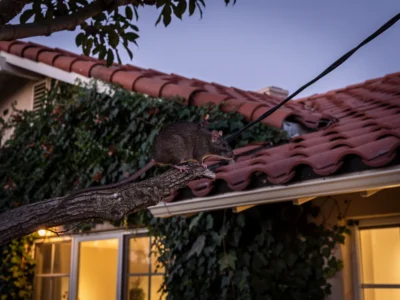
How Do You Get Rid of Rats in an Attic in Los Angeles?
Getting rats out of an attic takes more than trapping the rats already inside. You have to find how they are getting into the house,
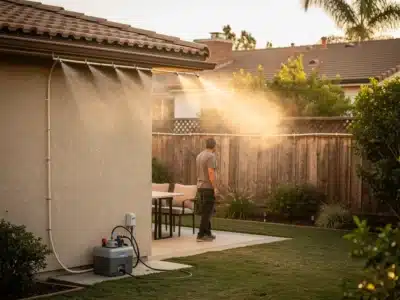
Are Backyard Mosquito Misting Systems Worth It in Los Angeles?
Transform your backyard into a mosquito-free oasis with our advanced misting systems in Los Angeles. Enjoy outdoor living without the nuisance of pests.
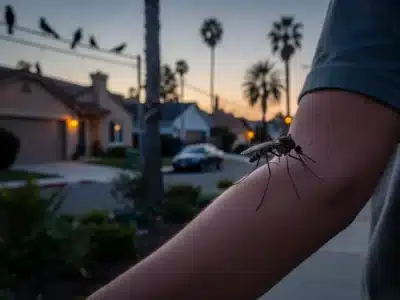
Is West Nile Virus a Real Risk from Mosquitoes in Los Angeles?
Stay informed about West Nile Virus risks from mosquitoes in LA. Learn prevention tips and protect your health with expert advice and safety measures.
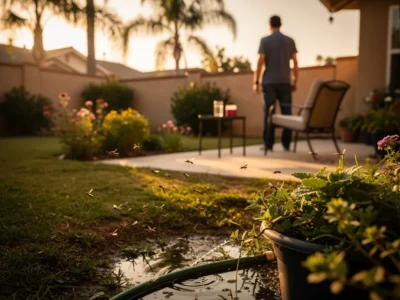
When Is Mosquito Season in Los Angeles?
Understand when mosquito season hits Los Angeles. Get key insights to protect your home and enjoy the outdoors without pesky interruptions. Stay informed!

What Are Ankle-Biter Mosquitoes and Why Are They Invading Los Angeles?
Uncover the reasons behind the surge of ankle-biter mosquitoes in Los Angeles. Learn how to protect yourself and keep these pests at bay effectively.