Warehouses & Industrial Buildings: Why Rodents Love Them
Warehouses and industrial buildings are the backbone of logistics, manufacturing, and large-scale storage. They keep supply chains moving and inventory protected. But behind stacked pallets and loading docks, there’s a hidden threat that can quietly disrupt operations: rodents.
If you manage or own a commercial facility, understanding why rodents love warehouses and industrial buildings is the first step toward protecting your investment. At Touch Down Pest Control, we work with logistics centers, manufacturing plants, and storage facilities that face recurring rodent pressure. The reality is simple — warehouses create the perfect environment for rats and mice unless proactive prevention is in place.
In this article, we’ll explore why these facilities are so attractive to rodents, the risks involved, compliance implications, and how to build a prevention strategy that protects your business long-term.
Why Warehouses Attract Rodents
The phrase why rodents love warehouses and industrial buildings isn’t just a catchy headline — it reflects a very real operational challenge. Several structural and environmental factors make industrial facilities especially vulnerable.
1. Constant Access Points
Warehouses are designed for movement. Trucks enter and exit all day, dock doors open frequently, and employees move inventory in and out. Unfortunately, every open loading dock creates an invitation.
Small gaps beneath dock doors, worn weather stripping, cracked foundations, and utility penetrations offer easy entry points. A mouse can squeeze through an opening the size of a dime, while rats need only about half an inch.
Unlike residential buildings, warehouses often prioritize airflow and accessibility — which rodents exploit.
2. Abundant Shelter and Nesting Areas
Industrial spaces offer endless hiding spots:
- Pallet stacks
- Cardboard storage
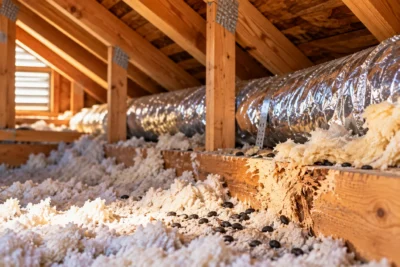
- Insulation voids
- Ceiling spaces
- Machinery gaps
Cardboard, especially, is a favorite nesting material. Large storage facilities can house thousands of potential nesting areas without anyone noticing early activity.
Rodents thrive in quiet, undisturbed areas. High shelving and rarely accessed storage zones become safe breeding grounds.
3. Food Sources — Even in Non-Food Warehouses
You don’t have to store food to attract rodents.
They chew through packaging, consume organic residue, feed on employee breakroom waste, and even gnaw on paper-based goods. Facilities storing grains, pet products, pharmaceuticals, or packaging materials are especially vulnerable.
Even something as simple as spilled product residue can sustain a rodent population.
Loading Docks: The Primary Entry Point
If you want to understand why rodents love warehouses and industrial buildings, start at the loading dock.
Loading docks combine:
- Open access
- Exterior lighting (which attracts insects)
- Shelter under dock plates
- Food debris from shipments
Dock levelers often create gaps where rodents can slip inside. Weather seals wear down over time, and employees may prop doors open for convenience.
Without regular inspection and maintenance, loading docks become the number one access route for rats and mice.
Structural Vulnerabilities in Industrial Buildings
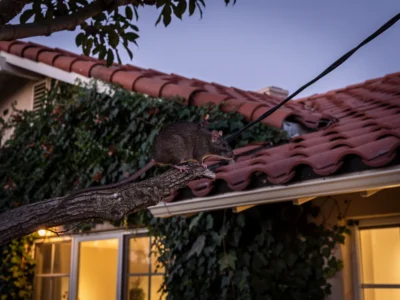
Large-scale facilities age differently from homes. Expansion joints, wall seams, roofing penetrations, and utility lines all create potential access points.
Common vulnerabilities include:
- Cracked foundations
- Damaged roll-up door seals
- Roof gaps near HVAC systems
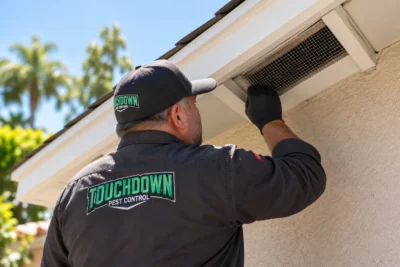
- Broken vents or louvers
- Poorly sealed electrical conduits
Industrial buildings often focus on production efficiency, not pest exclusion. Over time, small structural gaps turn into consistent entry routes.
Inventory Risks: More Than Just Chewed Boxes
Rodent damage isn’t cosmetic. It’s operational and financial.
Product Contamination
Rodents contaminate surfaces with droppings and urine. In food storage and pharmaceutical warehouses, contamination can trigger recalls or destroy inventory.
The U.S. Food and Drug Administration outlines strict standards for sanitary storage conditions in food and drug facilities. A rodent sighting can quickly escalate into a regulatory issue.
You can review FDA guidance on food facility sanitation here: https://www.fda.gov/food
Electrical Damage
Rats and mice constantly gnaw to keep their teeth trimmed. Electrical wiring becomes a prime target. Damaged wiring can lead to:
- Equipment failure
- Fire hazards
- Production downtime
In large industrial buildings, identifying chewed wiring can be difficult until a costly failure occurs.
Packaging Destruction
Cardboard, plastic wrap, and insulation are easily destroyed. Even non-edible goods become unsellable when packaging is compromised.
For logistics centers working on tight margins, repeated damage can quietly erode profitability.
Compliance & Audit Concerns
Industrial facilities are frequently subject to audits and inspections. Food-grade warehouses may need to comply with safety regulations tied to agencies like the Occupational Safety and Health Administration and the FDA.
Rodent activity can trigger:
- Failed inspections
- Written violations
- Corrective action plans
- Increased audit frequency
For businesses supplying major retailers, a single failed third-party audit can jeopardize contracts.
Rodent prevention isn’t just maintenance — it’s risk management.
The Speed of Rodent Reproduction
Understanding reproduction explains another reason why rodents love warehouses and industrial buildings.
- A female mouse can produce 5–10 litters per year.
- Each litter averages 5–6 pups.
- Offspring reach breeding age in weeks.
In a large warehouse environment, populations grow unnoticed. By the time droppings are visible, an infestation may already be established behind walls or shelving.
Early intervention is critical.
Environmental Factors That Increase Risk
Exterior Landscaping
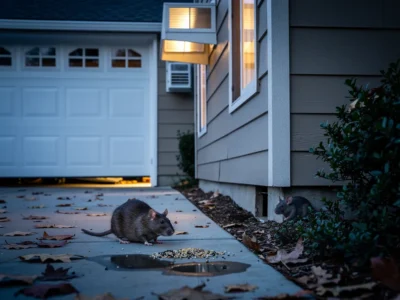
Overgrown vegetation near the foundation provides shelter and easy access. Dumpster placement close to the building also increases rodent pressure.
Climate Control
Warehouses provide stable indoor temperatures year-round. During colder months, rodents actively seek heated structures.
Limited Human Disturbance
High ceilings and remote storage zones often go weeks without inspection. These quiet zones allow nesting without interruption.
Signs Your Warehouse May Have a Rodent Issue
Facility managers should watch for:
- Droppings along walls or behind pallets
- Gnaw marks on packaging
- Grease marks along baseboards
- Scratching sounds in walls or ceilings
- Strong ammonia-like odors
If you notice one of these signs, assume there may be more activity hidden from view.
Proactive Prevention Is the Only Sustainable Strategy
Warehouses operate on precision logistics. Pest control should follow the same philosophy.
The key to preventing rodent issues is not reacting to sightings — it’s building a layered defense system that anticipates pressure points. Regular inspections, documentation, structural maintenance, and professional oversight dramatically reduce risk.
Touch Down Pest Control specializes in commercial and industrial pest management programs designed for warehouses, logistics hubs, and manufacturing facilities. We understand operational flow, compliance demands, and the importance of discretion. Our service plans focus on prevention, documentation, and measurable results.
Conclusion: Protecting Industrial Facilities from Rodent Threats
When you examine access points, shelter opportunities, food sources, and compliance risks, it becomes clear why rodents love warehouses and industrial buildings. These environments provide everything rats and mice need to thrive — unless proactive measures are taken.
Ignoring the problem doesn’t make it disappear. In fact, it gives rodents time to multiply and spread.
A structured pest management program protects inventory, safeguards compliance, and preserves your reputation. Touch Down Pest Control partners with industrial operators to build long-term protection strategies tailored to each facility’s layout and risk profile.
If you manage a warehouse or industrial building, now is the time to assess vulnerabilities and strengthen your defense. Prevention today prevents disruption tomorrow.
People Also Ask (FAQ)
1. Why are warehouses more prone to rodent infestations?
Warehouses offer shelter, food access, and multiple entry points. Loading docks and storage areas create ideal nesting conditions.
2. How often should industrial facilities be inspected for rodents?
Most facilities benefit from monthly professional inspections, though high-risk operations may require more frequent monitoring.
3. Can rodents damage non-food inventory?
Yes. Rodents chew packaging, wiring, and materials regardless of whether food is present.
4. What is the best way to prevent rodents in warehouses?
A layered Integrated Pest Management program that includes exclusion, monitoring, sanitation, and documentation.
5. Do pest control services provide audit documentation?
Yes. Professional commercial pest control providers supply detailed service logs to support regulatory compliance and third-party audits.