The Hidden Risk Inside Modern Offices
When people think about workplace productivity, they usually picture collaboration, technology, and culture—not pests. Yet, pest control for offices is one of the most overlooked aspects of maintaining a safe, professional environment. Even the cleanest corporate buildings are vulnerable to infestations due to shared spaces, food areas, and high foot traffic.
Pests such as rodents, cockroaches, ants, and flies are not just nuisances—they pose real risks to employee health, workplace morale, and brand reputation. Research shows that pests can spread bacteria, trigger allergies, and contaminate surfaces, leading to illness and reduced productivity.
Ignoring these risks doesn’t make them disappear—it simply allows them to grow quietly until they become a costly problem.
Why Smart Companies Invest Early in Professional Pest Control
Forward-thinking companies don’t wait for complaints or visible infestations. They treat pest control as part of their operational strategy—just like IT security or facility maintenance.
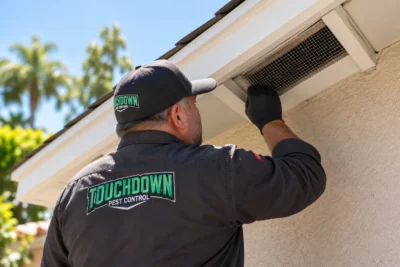
That’s where Touch Down Pest Control comes in. Businesses that partner with a professional service benefit from routine inspections, customized treatment plans, and proactive prevention strategies tailored specifically for office environments. Instead of reacting to emergencies, they stay ahead of them.
This approach isn’t just about eliminating pests—it’s about demonstrating professionalism. A pest-free office signals that a company values employee well-being, takes compliance seriously, and protects its reputation at every level.
Employee Health: The Overlooked Priority
Most employers underestimate the direct impact of pests on employee health. The effects go far beyond discomfort.
1. Allergies and Respiratory Issues
Cockroach droppings, shed skin, and rodent dander are known triggers for asthma and allergies. These contaminants can circulate through HVAC systems, affecting entire floors.
2. Disease Transmission
Rodents and insects can carry harmful bacteria such as Salmonella and E. coli, contaminating shared surfaces like desks, kitchen counters, and breakroom appliances.
3. Mental Stress and Anxiety
Even a minor infestation can create discomfort, distraction, and anxiety among employees—especially in open office layouts.
4. Increased Sick Days
When health risks rise, absenteeism follows. This directly impacts productivity and team performance.
A safe workplace isn’t just about avoiding accidents—it’s about maintaining a clean, pest-free environment where employees can perform at their best.
Shared Spaces: The Perfect Breeding Ground
Modern offices are designed for collaboration—but shared spaces also exacerbate pest problems.
Breakrooms & Kitchens
Food crumbs, spills, and improperly stored items attract ants, cockroaches, and rodents. These areas are often the starting point of infestations.
Conference Rooms
Frequent use and leftover food waste can quietly invite pests, especially when cleaning is inconsistent.
Storage Areas
Cluttered storage spaces provide hiding and nesting spots for pests, making detection more difficult.
HVAC Systems
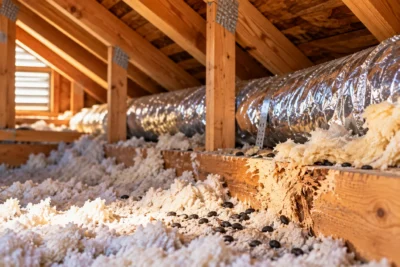
Air ducts can circulate allergens and even allow pests to travel between different parts of the building.
Because these spaces are shared, a small issue in one area can quickly spread across the entire office.
Reputation Risk: One Sighting Can Do Damage
In today’s digital world, reputation is fragile. A single pest sighting can quickly escalate into:
- Negative online reviews
- Employee complaints on platforms like Glassdoor
- Lost clients or business partnerships
Pests don’t just affect internal operations—they shape how your company is perceived externally.
Even worse, infestations in corporate environments can become public relations issues, especially if clients or visitors encounter them.
Compliance and Legal Responsibility
Employers are legally responsible for providing a safe working environment. Pest infestations can directly violate workplace safety standards.
Organizations like the Occupational Safety and Health Administration (OSHA) require employers to protect workers from hazards, including exposure to harmful chemicals and unsanitary conditions.
Failure to address pest issues can lead to:
- Compliance violations
- Legal complaints from employees
- Potential fines or penalties
In severe cases, employees may even refuse to work in unsafe conditions.
Why Reactive Pest Control Fails
Many companies take a reactive approach—calling pest control only when there’s a visible problem. This is a costly mistake.
Problems with Reactive Pest Control:
- Infestations are already established
- Treatments become more expensive
- Damage to reputation has already occurred
- Employees have already been affected
By the time pests are visible, the problem has usually been growing for weeks or months.
The Case for Proactive Pest Management
Professional pest control isn’t just about eliminating pests—it’s about preventing them entirely.
What Proactive Pest Control Includes:
- Routine Inspections
Early detection of droppings, nesting, or entry points prevents escalation. - Integrated Pest Management (IPM)
A strategic approach that combines monitoring, sanitation, and targeted treatment. - Entry Point Sealing
Blocking gaps, cracks, and structural vulnerabilities. - Sanitation Recommendations
Helping teams maintain pest-resistant environments. - Ongoing Monitoring
Ensuring long-term protection, not just short-term fixes.
This approach is more cost-effective and far less disruptive than emergency treatments.
What Employers Commonly Overlook
Despite the risks, many organizations still miss key factors:
1. “Clean Offices Don’t Have Pests.”
Even spotless offices can attract pests due to food, moisture, and external factors.
2. Employee Contribution to Infestations
Pests can be unknowingly brought in through bags, clothing, or food.
3. Building-Wide Risk
In multi-tenant buildings, pests can travel between offices, meaning your problem may start elsewhere.
4. Seasonal Misconceptions
Pests don’t disappear—they relocate indoors during certain seasons.
5. Delayed Action
Waiting until complaints arise often means the problem is already severe.
Conclusion: Prevention Is Professionalism
Pest control for offices is not just a maintenance task—it’s a business decision that impacts health, productivity, and reputation.
Employers who overlook pest management often pay the price in employee dissatisfaction, compliance risks, and brand damage. On the other hand, those who invest in proactive solutions position themselves as responsible, professional organizations.
That’s why companies trust Touch Down Pest Control—not just to eliminate pests, but to prevent them entirely. With tailored treatment plans, routine inspections, and a proactive mindset, they help businesses maintain clean, safe, and professional environments year-round.
In today’s competitive landscape, prevention isn’t optional—it’s part of running a modern, responsible workplace.
People Also Ask (FAQ)
1. Why is pest control important for offices?
Pest control is essential to protect employee health, prevent disease spread, and maintain a professional work environment. It also helps avoid reputational damage and compliance issues.
2. What are the most common office pests?
Common office pests include rodents, cockroaches, ants, flies, and occasionally bed bugs.
3. How often should offices schedule pest control?
Most offices benefit from monthly or quarterly inspections, depending on risk factors like location, building size, and food presence.
4. Can pests really affect employee productivity?
Yes. Pests can cause stress, illness, and distractions, all of which reduce productivity and increase absenteeism.
5. Is professional pest control better than DIY methods?
Absolutely. Professional services use targeted, safe, and effective treatments along with preventive strategies that DIY solutions cannot match.
6. What is integrated pest management (IPM)?
IPM is a proactive approach that combines monitoring, prevention, and targeted treatments to control pests with minimal risk to people and the environment.