Introduction
For many homeowners, pest control is something that only becomes a priority when there’s a visible problem. You might notice ants trailing across your kitchen counter, hear scratching sounds in the attic, or discover signs of termites long after they’ve begun damaging your home. By the time these issues surface, the cost of fixing them is often far greater than expected.
This is where preventive pest control changes everything. Instead of reacting to infestations, it focuses on stopping them before they begin. Much like servicing your HVAC system or maintaining your plumbing, pest control works best when it’s consistent and proactive. Homeowners who adopt this mindset not only avoid stress but also save significant money in the long run.
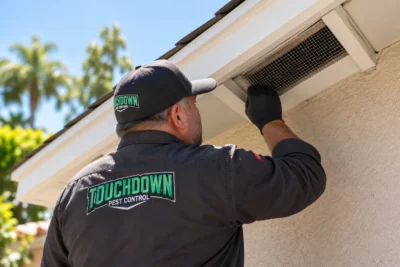
Professional providers like Touch Down Pest Control emphasize this proactive approach, helping homeowners stay ahead of infestations rather than scrambling to fix costly problems after they occur.
Understanding the Real Cost of Pest Problems
Pest infestations are rarely as simple as they seem. What starts as a minor inconvenience can quickly evolve into a serious financial burden. Termites, for example, can silently eat away at wooden structures for months or even years. By the time visible damage appears, repairs may involve structural reinforcement, wood replacement, and extensive treatment.
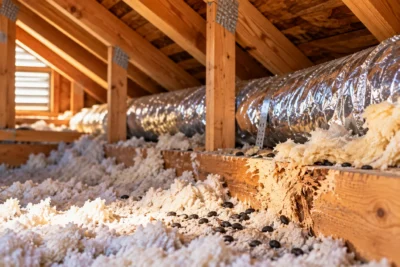
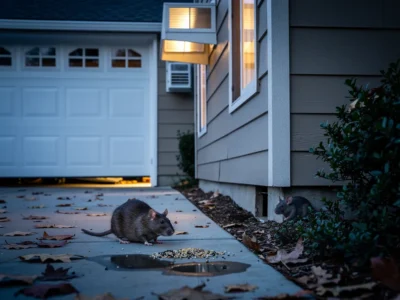
Rodents bring a different kind of risk. Their constant gnawing can damage electrical wiring, creating fire hazards that go far beyond simple pest control. In addition, contaminated insulation and droppings can lead to sanitation issues that require professional cleanup.
Even smaller pests like cockroaches or ants can create ongoing costs. Food contamination, recurring treatments, and potential health risks all add up over time. These hidden expenses are what make reactive pest control so costly—and why preventive pest control is a smarter financial strategy.
Prevention vs. Reaction: A Financial Perspective
When comparing preventive pest control to reactive treatments, the difference lies in predictability and scale. Reactive pest control often involves emergency inspections, multiple service visits, and repairs that can quickly escalate in cost. The homeowner is forced to respond quickly, often paying premium prices for urgent solutions.
Preventive pest control, on the other hand, spreads the cost out over time in a manageable way. Regular inspections allow professionals to detect early signs of pest activity before it becomes a full-blown infestation. Treatments are targeted and controlled, meaning less damage and fewer surprises.
The financial advantage becomes clear when you consider that a small, recurring investment can eliminate the risk of large, unexpected expenses. Over time, this approach leads to substantial savings.
Why Preventive Pest Control Is So Effective
Preventive pest control works because it addresses the root causes of infestations rather than just the symptoms. Instead of simply eliminating visible pests, it focuses on understanding how and why they enter your home.
This involves identifying potential entry points, monitoring areas where pests are likely to thrive, and applying treatments that disrupt breeding cycles. Seasonal adjustments also play a key role, as pest behavior changes throughout the year.
A well-designed preventive pest control plan creates an environment where pests struggle to survive. This not only reduces the likelihood of infestations but also minimizes the need for aggressive treatments later.
Long-Term Savings You Can Actually See
One of the most compelling reasons to invest in preventive pest control is the long-term financial benefit. Homeowners who take a proactive approach often avoid the kinds of repairs that can strain a budget.
Structural damage caused by termites or carpenter ants is one of the most expensive outcomes of neglecting pest control. These repairs are not only costly but can also disrupt daily life. Preventive pest control eliminates this risk by catching problems early.
Property value is another important consideration. Homes with a history of pest issues can be harder to sell and may require additional inspections or disclosures. By maintaining a pest-free environment, homeowners protect their investment and ensure their property remains attractive to potential buyers.
There’s also the issue of emergency costs. When infestations reach a critical point, immediate action is required. This often means higher service fees and more extensive treatments. Preventive pest control removes this urgency by keeping problems under control from the start.
Thinking Like a Homeowner Who Plans Ahead
Preventive pest control is most effective when viewed as part of a broader home maintenance strategy. Just as you wouldn’t wait for your air conditioning system to fail before servicing it, you shouldn’t wait for pests to appear before taking action.
This mindset shift is crucial. Preventive pest control is not an optional expense—it’s a protective measure that ensures your home remains safe, functional, and valuable. Over time, this approach reduces the likelihood of unexpected repairs and helps homeowners maintain better control over their finances.
The Role of Seasons in Pest Activity
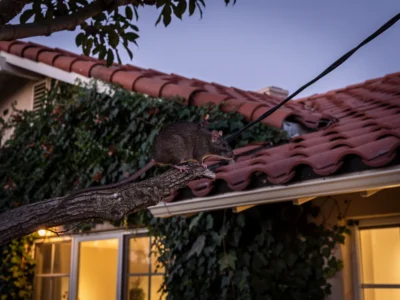
Pest behavior is closely tied to seasonal changes, which is why preventive pest control must be consistent throughout the year. In warmer months, insects become more active and begin breeding rapidly. As temperatures drop, rodents and other pests seek shelter indoors, often entering homes through small, unnoticed gaps.
Without a preventive plan, homeowners may find themselves dealing with a cycle of recurring infestations. Each season brings a new challenge, and reactive treatments only address the symptoms temporarily.
Preventive pest control breaks this cycle by anticipating seasonal patterns and adjusting treatments accordingly. This ensures that your home remains protected no matter the time of year.
Health Benefits That Translate Into Savings
While the financial savings of preventive pest control are significant, the health benefits should not be overlooked. Pests are known to carry bacteria, trigger allergies, and contaminate food sources.
Cockroach droppings, for example, can worsen asthma symptoms, especially in children. Rodents can spread diseases and create unsanitary conditions that require costly cleanup. Even minor infestations can lead to discomfort and potential medical expenses.
By reducing exposure to these risks, preventive pest control indirectly saves money on healthcare costs while improving overall quality of life.
Conclusion
Preventive pest control is a simple yet powerful way to protect your home and your finances. By addressing potential problems before they escalate, homeowners can avoid costly repairs, maintain property value, and enjoy peace of mind year-round.
Instead of waiting for pests to become visible, taking a proactive approach ensures long-term savings and consistent protection. Partnering with a trusted provider like Touch Down Pest Control allows homeowners to implement a reliable preventive pest control plan that keeps their property safe while minimizing expenses over time.
People Also Ask (FAQ)
1. What is preventive pest control?
Preventive pest control is a proactive strategy that focuses on stopping pests before they infest your home through regular inspections and treatments.
2. How does preventive pest control save money?
It reduces the need for expensive repairs, eliminates emergency treatment costs, and protects your home from long-term damage.
3. How often should preventive pest control be done?
Most experts recommend quarterly treatments, although frequency may vary depending on your location and pest activity.
4. Is preventive pest control better than reactive treatment?
Yes, preventive pest control is more cost-effective and efficient because it stops problems before they become severe.
5. Can preventive pest control increase home value?
Yes, maintaining a pest-free home helps preserve structural integrity and makes the property more appealing to buyers.
6. Are professional services necessary for prevention?
While DIY methods can help temporarily, professional preventive pest control provides more thorough and long-lasting protection.
7. What types of pests are prevented?
Preventive pest control typically targets common pests such as ants, termites, rodents, cockroaches, and seasonal insects.