
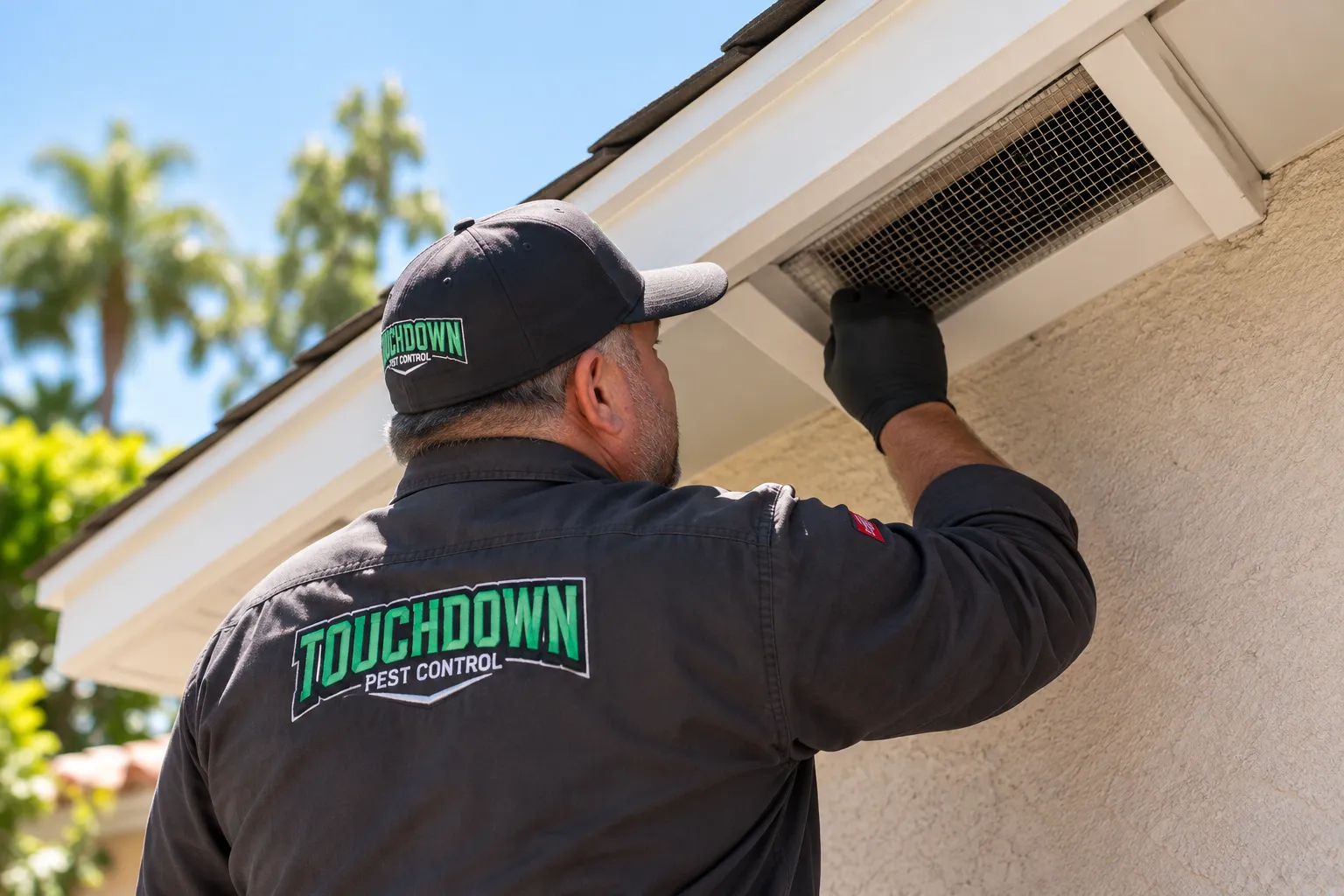
Rodent proofing services find and close the openings that rats and mice use to get into your home. This can include sealing gaps around pipes, securing vents, repairing damaged screens and closing openings along the roofline or foundation.
The work depends on the house. Some homes have one or two places that need attention. Others have several openings that rodents can use to move between the outside and inside.
Rodent proofing is also called rodent exclusion. You’ll often hear that term when a pest control company explains what needs to be repaired after rats or mice have been found inside.
Why Is Rodent Proofing Important?
Traps remove the rats and mice already inside a house. If the opening they used is still there, more can follow them in.
For example, a homeowner may hear rats moving around the attic and have them removed. A few weeks later, the scratching returns.
One possible reason is that the opening along the roofline was never closed.
Rodent proofing closes those access points, which helps keep rodents from returning after removal. That’s why it belongs in any complete rodent control service.
How Do You Find Where Rodents Are Getting Inside?
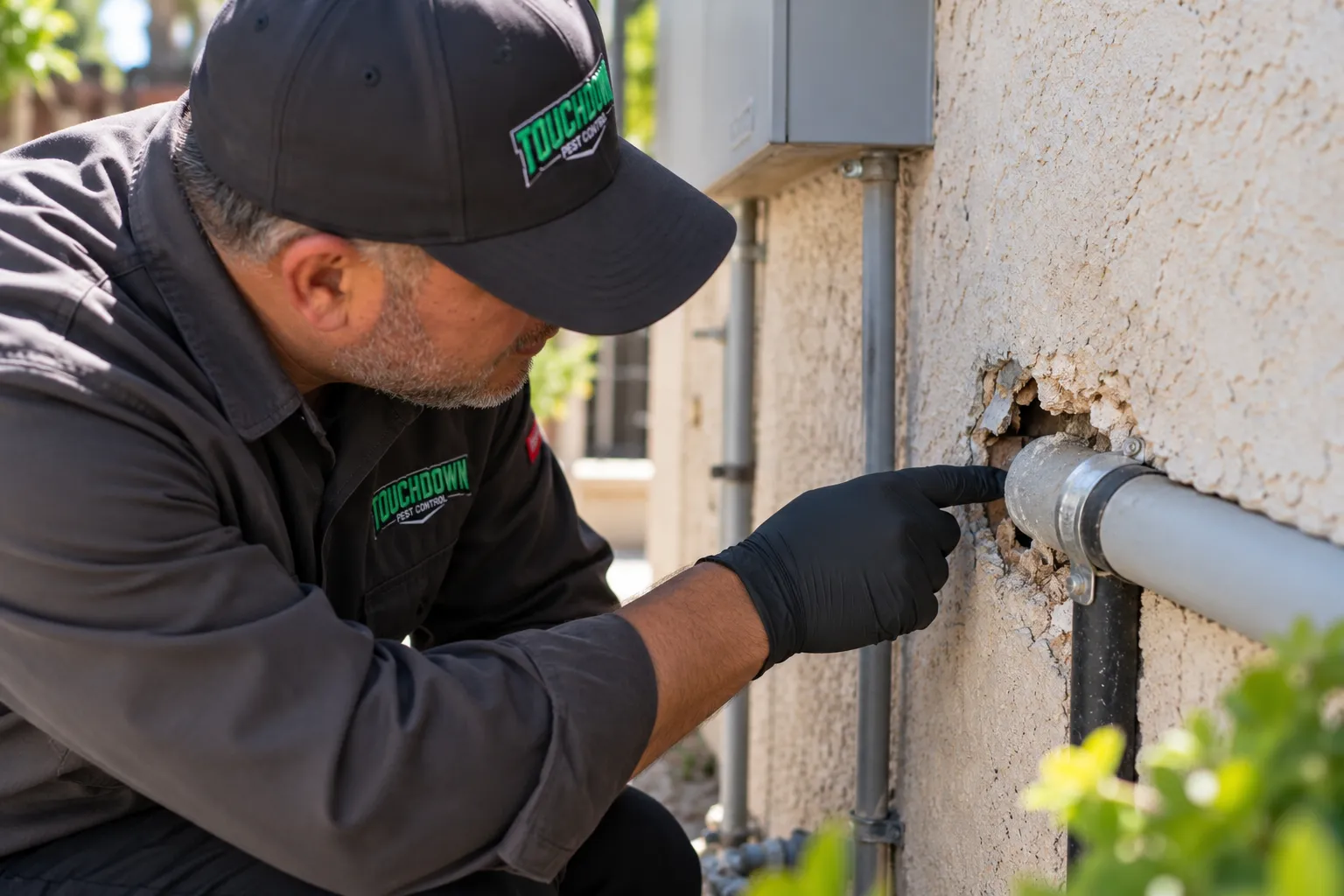
A rodent inspection starts with the evidence around the property.
Inside the home, a technician may look for droppings, gnaw marks, nesting material and areas where rodents appear to be traveling.
Outside, the inspection focuses on places rodents could use to enter.
These commonly include:
Gaps around pipes and utility lines
Damaged roof vents
Openings under eaves
Gaps around garage doors
Damaged crawl-space vents
Openings around the foundation
Damaged exterior siding or trim
Not every gap is being used by rodents. The inspector looks for signs that connect an opening to the activity inside.
Rub marks, gnawing and droppings near an opening can help identify places that deserve closer attention.
Common Rodent Proofing Repairs
The inspection decides which of these a home needs.
Sealing Gaps Around Pipes and Utility Lines
Water pipes, electrical lines and other utilities often pass through exterior walls.
If the gap around a pipe or line is large enough, rodents can squeeze through.
These gaps are sealed with rodent-resistant material sized to the opening. The repair also has to leave the utility working safely.
Securing Roof and Attic Vents
Roof and attic vents allow air to move through the structure, but damaged screens or missing protective covers can leave openings for rodents.
Rodent proofing can include repairing or installing screening that keeps animals out and keeps air moving.
Covering a vent completely is not an appropriate repair.
Closing Openings Along the Roofline
Roof rats are strong climbers. They can reach roofs using trees, fences and other nearby structures.
Once there, they may find openings around eaves, fascia boards, roof edges or damaged materials.
These areas may need sealing or repair to prevent rodents from entering the attic.
Touchdown Pest Control doesn’t do roofing. If the inspection finds roof damage, those repairs go to a licensed roofing contractor.
Addressing Gaps Around Garage Doors
A garage door that doesn’t close properly can leave enough space for rodents to enter.
Worn seals, damaged weatherstripping and gaps near the corners are common areas to check.
Replacing damaged seals or adjusting the door closes those openings.
Securing Crawl Spaces and Foundation Openings
Homes with crawl spaces may have vents, access doors or other openings near ground level.
Damaged screens, loose covers and gaps around the foundation can provide access.
Repairs may include securing vent screens, fixing access covers or closing openings with suitable materials.
What Materials Are Used for Rodent Proofing?
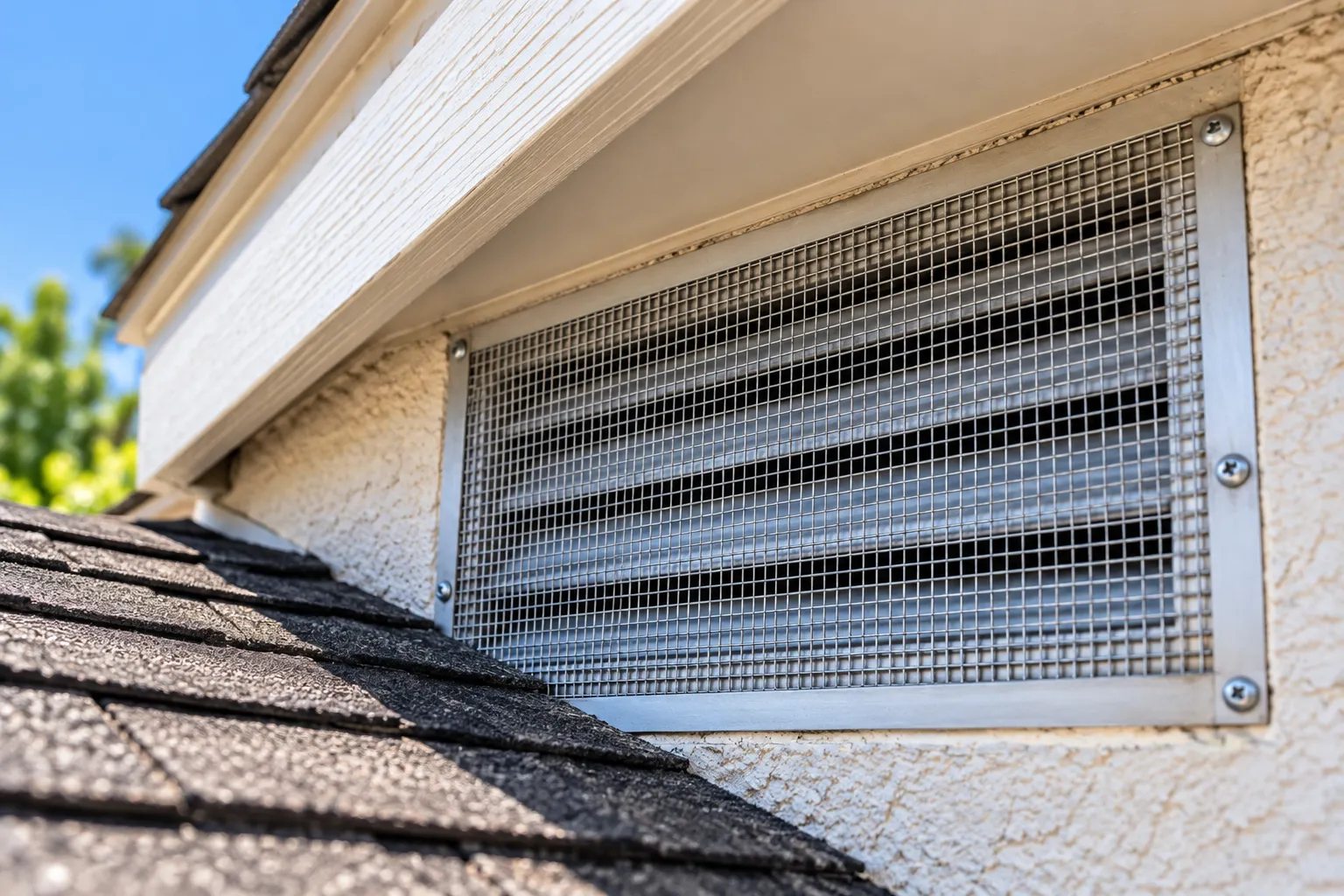
The right material depends on the location and size of the opening.
Metal mesh, hardware cloth, sheet metal and other rodent-resistant materials may be used to protect vulnerable areas.
Some repairs also require sealants, flashing or replacement building materials.
Expanding foam on its own is a poor choice, because rodents can chew through it. A lasting repair needs materials suited to the location and the type of damage.
The goal is to close the opening without blocking drainage, ventilation or access needed for electrical, plumbing and other systems.
Does Rodent Proofing Include Trapping?
Trapping and rodent proofing are different services, although they may be part of the same treatment plan.
Trapping addresses rats or mice that are already inside.
Rodent proofing closes the openings that allow them to enter.
When rodents are active inside a house, the timing of the work matters. Sealing every opening before the animals have been accounted for can trap them inside walls, attics or other spaces.
A technician should determine how removal and sealing will be handled together.
For more information about the removal process, read How Do You Get Rid of Rats in an Attic in Los Angeles?
Do All Homes Need the Same Rodent Proofing Work?
No. A house with one damaged vent may need a smaller repair than a property with several roofline openings, damaged garage seals and gaps around utility lines.
Older homes may have different access points than newer construction. Past repairs, additions and changes to exterior materials can also affect where openings develop.
The inspection should identify which areas need work and explain why.
Homeowners should be able to see what is being recommended before approving repairs.
Does Rodent Proofing Include Attic Cleanup?
Attic cleanup is usually evaluated separately from sealing entry points.
Rodents can leave droppings, urine and nesting material in insulation. Some areas may need cleaning, and heavily contaminated materials may require removal.
The amount of cleanup depends on what is found.
A small amount of droppings in one accessible area doesn’t automatically mean all the attic insulation needs replacing.
The first step is addressing active rodents and their entry points. Cleanup can then be planned based on the condition of the affected areas.
How Much Does Rodent Proofing Cost?
Cost comes down to how many openings need attention, where they are and what materials or repairs they need.
Closing an accessible gap near a garage may involve less work than repairing several openings high along a roofline.
Some homes also need trapping, follow-up visits or cleanup in addition to sealing.
When reviewing a quote, ask which repairs are included and whether removal, follow-up visits and cleanup are priced separately.
Our guide, How Much Does Rodent Control Cost in Los Angeles?, explains what can affect the total price.
Can You Rodent-Proof Your Own Home?
Homeowners can take care of some basic prevention tasks.
Keeping garage doors in good condition, storing food securely, removing fallen fruit and trimming vegetation away from the house can make the property less attractive or accessible to rodents.
You may also notice damaged screens or obvious gaps around the exterior.
Repairs near electrical equipment, rooflines, ventilation systems and difficult-to-reach areas are better left to qualified professionals.
If rodents are already inside, an inspection should determine where they’re active before openings are sealed.
How Long Does Rodent Proofing Last?
A properly completed repair can provide lasting protection, but no home is permanently protected from every possible rodent entry point.
Building materials age. Weatherstripping wears out. New gaps can develop around pipes, vents and exterior repairs.
Rodents may also find another opening if conditions around the property continue to attract them.
Check accessible exterior areas periodically, especially after construction, roof repairs or other work that changes the building.
How Do You Know Whether Rodent Proofing Worked?
The most useful measure is whether signs of rodent activity stop after removal and sealing work is completed.
Follow-up checks may include looking for new droppings, checking traps, reviewing areas where activity was previously found and confirming that repaired openings remain secure.
The company should explain what follow-up is included and what to do if signs continue.
A repair should also be inspected if you notice new damage around the same area.
Does Rodent Proofing Work for Rats and Mice?
Yes, but the openings and locations that need attention can differ.
Roof rats often reach higher parts of homes, making rooflines, vents and attic access important.
Norway rats are more commonly associated with ground-level areas, burrows and openings near foundations.
House mice can fit through particularly small gaps, so minor openings around doors, pipes and exterior walls may matter.
The inspection should account for the type of rodent involved and the evidence found at the property.
When Should You Schedule Rodent Proofing?
Schedule rodent proofing when an inspection finds openings rats or mice are using, or could easily use, to get inside.
It is especially important when rodents have already been found inside.
You may also want an inspection if you keep finding droppings after cleaning, hear repeated scratching in the attic or have dealt with recurring rodent problems.
Touchdown Pest Control provides rodent inspections and control for homeowners across greater Los Angeles and Orange County, including the San Gabriel Valley.
We Bring The Blitz!
**Schedule a Free Inspection**
Frequently Asked Questions
What is included in rodent proofing?
Rodent proofing services may include sealing gaps around pipes, securing vents, screening crawl spaces and closing other places rats or mice can use to enter. The exact work comes from the inspection.
Is rodent proofing the same as rodent exclusion?
Yes. Both terms describe work intended to prevent rodents from entering a building by closing or protecting access points.
Will sealing holes get rid of rats already inside?
No. If rats or mice are already inside, they need to be addressed as part of the removal plan. Sealing openings at the wrong time can trap animals inside the structure.
Can mice chew through expanding foam?
Mice and rats can damage ordinary expanding foam, so it should not be relied on by itself to secure a rodent entry point.
Does rodent proofing include cleaning the attic?
Not automatically. Cleanup may be recommended when droppings, urine or nesting material have contaminated an area. Ask whether cleanup is included in the quote.
Do I need rodent proofing if I’ve already had rats removed?
If the openings they used are still there, yes. Rodent proofing closes them and lowers the chance of another problem.