
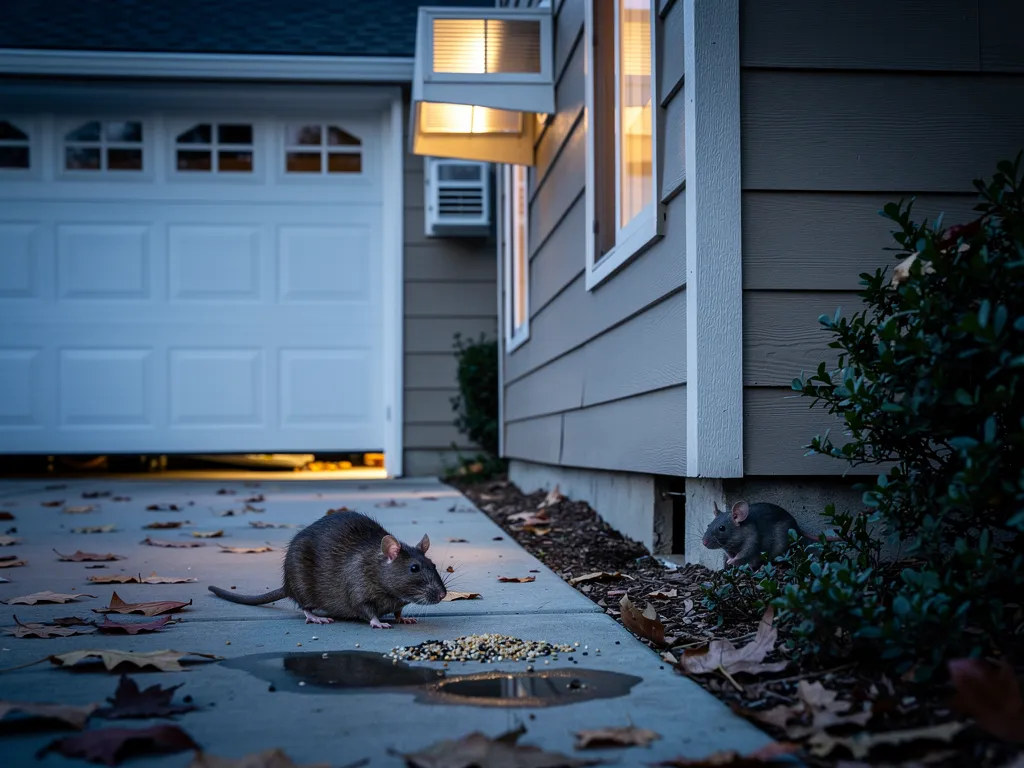
Rodent calls tend to increase between October and January as cooler nights and changing outdoor conditions lead rats and mice to look for dependable food, water and shelter. In the San Gabriel Valley, that can bring activity closer to homes and into garages, attics, wall voids and other protected spaces.
Southern California winters are mild, so rats and mice don’t simply disappear when summer ends. They can remain active year-round. What homeowners often notice in fall is a change in where that activity is happening.
You may start hearing movement overhead at night. Droppings may appear in the garage. Something stored in the pantry suddenly has chew marks. These can be early signs that rodents have found a way into or around the structure.
October through January is a good time to pay closer attention.
Why Does Rodent Activity Change in the Fall?
Rats and mice need food, water and shelter throughout the year. As nighttime temperatures cool and outdoor conditions change, protected areas around homes can become useful places to feed, travel and nest.
That doesn’t mean every rodent showing up in October just arrived. Some may have already been active around the property without entering the house or attracting much attention.
A garage provides shelter. An attic offers a relatively undisturbed space. Wall voids create protected travel routes. Fallen fruit, pet food, accessible trash and other food sources can give rodents a reason to remain nearby.
If there’s also an opening into the structure, the conditions are there for activity to move indoors.
What Makes Rodent Season Different in the San Gabriel Valley?

Rodent season in Southern California looks different from winter pest activity in colder parts of the country.
Our mild winters allow rats and mice to remain active. The San Gabriel Valley also has established residential neighborhoods with mature trees, fruit trees, dense landscaping and other vegetation that can provide food, cover and access toward homes.
The condition of the property matters too.
Tree limbs near the roof can give climbing rodents a route toward higher portions of the house. Openings around vents, eaves and utility penetrations may provide access once they get there.
For homeowners, the fall check is fairly simple: What around the property could be attracting rodents, and where could they get inside?
Learn more about **pest control in the San Gabriel Valley**.
Internal link: /pest-control-san-gabriel-valley/
Where Do Rodents Go Once They’re Inside?
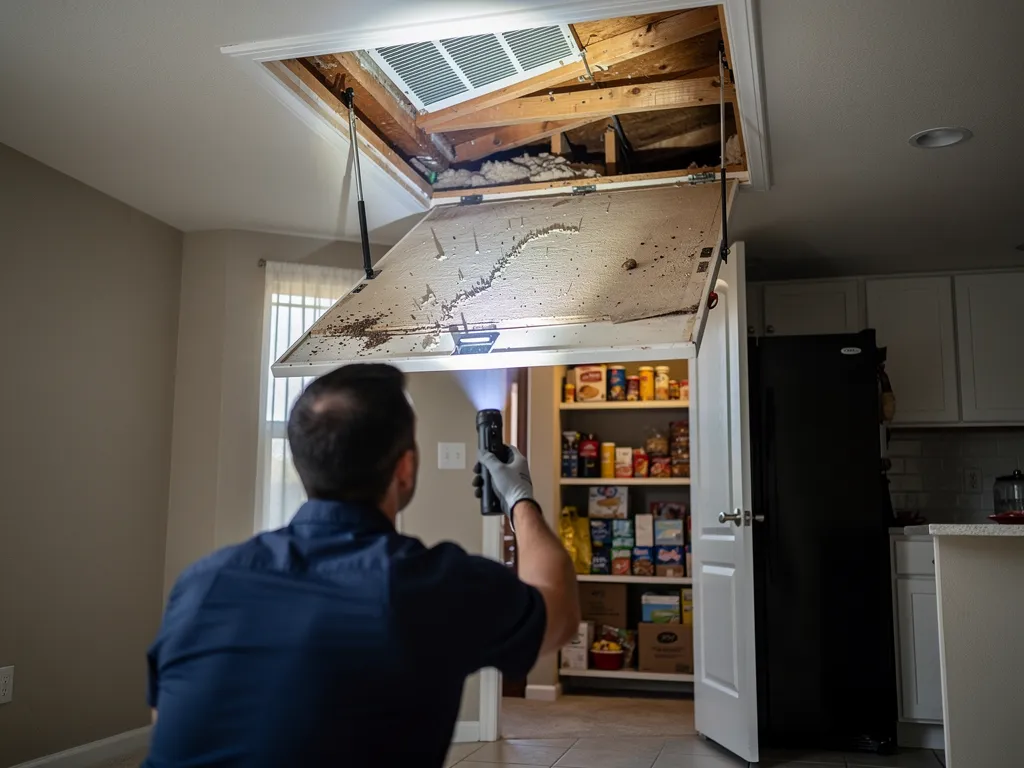
Rodents generally look for areas where they can move or nest without much disturbance.
Around a home, that may include:
- Attics
- Garages
- Wall voids
- Storage areas
- Pantries and cabinets
- Spaces behind appliances
- Crawl spaces, where present
Where you find activity can also offer clues about how rodents are using the property.
Roof rats are strong climbers, so activity in an attic may lead an inspector to look closely at roofline access, nearby trees, vents and eaves. Mice can use very small openings and may be discovered closer to food or storage areas.
Finding evidence in one location doesn’t necessarily mean that’s the only area being used.
What Should You Watch for Between October and January?
You don’t have to see a rat or mouse to notice that something has changed.
One of the first clues may be scratching or movement inside a wall or above the ceiling, particularly at night when the house is quiet.
Other signs include:
- Droppings
- Gnaw marks
- Damaged food packaging
- Shredded paper or insulation
- Nesting material
- Unusual odors
- Dark rub marks along frequently traveled surfaces
- Disturbed attic insulation
Pay attention when the same signs keep appearing or when you’re finding evidence in more than one area.
For a closer look at what each sign can mean, read **What Are the First Signs of a Rodent Problem in a West Covina Home?**
Why Do Homeowners Notice More Attic Activity?
Attics provide shelter, limited human activity and plenty of places where a rodent can move without being seen.
For climbing rodents, the route inside may begin outside the attic itself. Trees or vegetation near the house can provide access toward the roof, while openings around vents, eaves or other exterior areas may provide the entry point.
Often, the homeowner hears the problem before seeing any physical evidence.
Scratching or movement above a bedroom at night can be an early clue. Droppings, disturbed insulation or nesting material may become visible later.
If most of the activity you’re noticing is overhead, **How Do You Get Rid of Rats in an Attic in Los Angeles?**
explains what happens after rats get into an attic and why finding the entry point matters.
Does Rain Bring Rodents Inside?
Rain can affect where rodents travel and seek shelter, but one storm doesn’t automatically cause a rodent problem.
The existing conditions around the property matter.
If rodents already have access to food, cover and an opening into the structure, wet weather may make protected areas more appealing. After periods of rain, it makes sense to watch garages, storage areas and other sheltered spaces for new activity.
The same applies as nighttime temperatures begin to drop. You’re looking for changes around the property, especially in places that were previously quiet.
What Around Your Home Can Encourage Rodent Activity?
A few common property conditions can make it easier for rodents to remain close to the house.
Trees and Vegetation
Branches touching or hanging close to the roof can provide a route for climbing rodents. Dense vegetation against the house also creates cover and can make exterior openings harder to spot.
Fallen Fruit
Citrus and other fruit left on the ground provide an accessible food source. Pick up fallen fruit regularly, particularly if you’ve already noticed rodent activity nearby.
Pet Food
Pet food left outside overnight or stored in an accessible bag can attract rodents. Keep it in a secure container and clean up spills around feeding areas.
Trash and Outdoor Storage
Trash containers should close securely. Stored materials and clutter near the structure can create protected spaces where rodents can hide or travel.
Exterior Openings
Check accessible areas around vents, eaves, garage doors and utility penetrations for visible gaps or damage.
If you find an opening, don’t assume it’s the one rodents are using. An inspection should connect exterior access points with the evidence found inside.
A Fall Rodent Checklist for San Gabriel Valley Homes
Before and during the October through January period, take a quick look around the accessible parts of your property.
Check for:
- Tree limbs or heavy vegetation touching the house or roof
- Fallen fruit collecting around trees
- Pet food left outside or stored in accessible containers
- Trash cans that don’t close securely
- Visible gaps around garage doors
- Damaged or open exterior vents
- New gaps around utility penetrations
- Droppings, gnaw marks or nesting material in the garage or attic
- Repeated scratching or movement at night
You don’t have to turn this into a full inspection. The purpose is to notice when something changes.
A garage that was clean in September but has fresh droppings in November deserves another look. So does a new nighttime sound that keeps returning.
Should You Wait Until You See a Rat or Mouse?
No. A visible rodent is only one form of evidence.
Rats and mice often move when the house is quiet and can spend much of their time in areas homeowners rarely enter. Droppings, gnawing, nesting material and repeated nighttime sounds may show up first.
A single unexplained noise isn’t enough to determine what’s happening. A pattern is more useful.
If the scratching keeps returning or you’re finding fresh evidence after cleaning an area, it’s worth investigating.
What Happens During a Rodent Inspection?
A useful rodent inspection looks at both the activity inside the home and the conditions outside that could be supporting it.
Inside, the inspector may look for droppings, gnawing, nesting material, travel routes and evidence in accessible attic, garage or storage areas.
Outside, the focus shifts to possible entry points and the routes rodents may be using to reach them.
Those pieces need to connect.
If rodents are removed but an active entry point remains open, the house can still be accessible.
Learn more about TouchDown’s **rodent control service** and how inspection, removal and exclusion work together.
Is Rodent Control Only a Fall and Winter Concern?
Rodents can be active around Southern California homes throughout the year.
October through January matters because homeowners may begin noticing different activity as weather and outdoor conditions change. It also gives you a useful seasonal reminder to check the property for food sources, vegetation, exterior openings and signs that rodents have moved closer to the house.
Those same habits matter after winter.
TouchDown’s guide to **year-round pest control maintenance** covers what homeowners can monitor during the rest of the year.
When Should You Schedule a Rodent Inspection?
Consider an inspection when signs keep returning, appear in multiple areas or point to activity inside the structure.
That could mean scratching in the same wall several nights in a row, new droppings after an area has been cleaned, fresh gnaw marks or evidence of nesting in an attic or garage.
An inspection should help answer a few practical questions:
- Is the activity current?
- Where are rodents active?
- How are they getting inside?
- What needs to be addressed to keep the problem from continuing?
You don’t need to identify the species or locate every entry point before making the call. That’s part of what the inspection is there to determine.
Seeing Rodent Activity Around Your San Gabriel Valley Home?
If you’ve started hearing movement at night, finding droppings or noticing other signs around your home, an inspection can help determine what’s active and where it’s getting in.
TouchDown Pest Control provides rodent inspections and control throughout the San Gabriel Valley and surrounding communities.
[Schedule a Free Inspection]
CTA link: /free-inspection/
Frequently Asked Questions
When is rodent season in Southern California?
Rats and mice can be active throughout the year in Southern California. Homeowners may notice more activity around or inside structures during fall and winter as nighttime temperatures and outdoor conditions change.
Why am I suddenly hearing rats in my attic in the fall?
An attic offers a protected area with limited human activity. If rodents have access to the roofline and an opening into the structure, you may begin hearing nighttime movement before finding droppings, nesting material or other physical evidence.
Does cold weather get rid of rats and mice?
No. Southern California winters are generally mild enough for rats and mice to remain active. Some rodents may also move into protected areas of homes and other structures.
Does rain make rats come inside?
Rain can change where rodents travel and seek shelter, but rain alone doesn’t determine whether rodents will enter a home. Food sources, available shelter and accessible entry points around the property also matter.
What attracts rodents to a house during fall?
Fallen fruit, pet food, accessible trash, dense vegetation, protected storage areas and openings into the structure can all make a property more useful to rodents.
Should I get a rodent inspection before winter?
You don’t need an inspection simply because winter is approaching. If you’re finding repeated signs of activity, know rodents have entered the structure or have concerns about possible access points, an inspection can help determine what’s happening.