

Rodent Droppings
Droppings are one of the clearest physical signs that a rodent has been inside.
You may find them along walls, inside cabinets, behind appliances, in a garage or scattered through an attic.
Where you find them matters.
Droppings in a pantry point to a different activity area than droppings on attic insulation. If you're finding them in more than one part of the house, rodents may be traveling between nesting and feeding areas.Fresh droppings can also tell you that the activity is current rather than something that happened months ago.Avoid sweeping or vacuuming dry rodent droppings. Disturbing contaminated material can send particles into the air. If there is a significant amount of droppings or contaminated insulation, it should be handled as part of the cleanup assessment.
You don't need to identify a rodent by measuring every dropping you find. Species identification is better made from the full picture: droppings, location, entry points and other evidence around the property.
Gnaw Marks and Chewed Materials
Rodents have to gnaw regularly, which means chewing damage is another sign homeowners often find before seeing the animal itself.
Look around food packaging, storage boxes, wood, plastic and other materials in areas where you suspect activity.
Then there is the damage that's easier to miss.
Pay Attention to Wiring
Rodents can chew the protective coating around electrical and low-voltage wiring.
In an attic, that can include wiring for lights, thermostats, alarms, doorbells, internet equipment and other systems running through the space.
Sometimes the first clue isn't seeing the damaged wire.
Something simply stops working.
If rodent activity is confirmed in an area with accessible wiring, visible wiring damage should be part of the inspection. Electrical repairs themselves should be handled by the appropriate qualified professional.This is one of the reasons an ongoing rodent problem shouldn't be treated as only a nuisance.

A New or Unusual Odor
Sometimes homeowners smell a rodent problem before they find the source.
Urine and droppings can create a noticeable odor when rodents repeatedly use the same area. An established nesting area can make the smell stronger.
A different odor can develop if a rodent dies somewhere inaccessible, such as inside a wall or another enclosed space.
The location of the smell can help narrow down where to inspect, but odor alone doesn't tell you what caused it.
If it keeps returning or becomes stronger, look for the other signs on this list rather than trying to cover the smell and assume the problem is gone.
Grease Marks and Repeated Travel Routes
This is one sign many homeowners don't know to look for.
Rodents tend to use the same routes repeatedly.
As they move along walls, beams and openings, oils and dirt from their bodies can leave dark rub marks on surfaces they regularly contact.
You may also notice a narrow path through insulation or evidence that the same small opening is being used again and again.
These patterns matter during an inspection because they help distinguish a random opening in a house from an opening rodents may actually be using.
Finding the route can eventually lead you back to the bigger question:
How are they getting inside?
Rodents go where they can find food, shelter and a way inside.
That means the first signs aren't always in the same place.
Inside the house, pay particular attention to:
- Attics
- Garages
- Pantries and kitchen cabinets
- Areas behind appliances
- Storage rooms
- Wall voids Crawl spaces, where present
Outside, the inspection becomes about access.
Trees and vegetation near the roofline can give climbing rodents a route toward the house. Openings around vents, eaves, utility penetrations and damaged exterior materials can provide a way inside.
Fruit trees can matter too. Fallen citrus and other fruit left around the property provide an easy food source.
West Covina's mature residential neighborhoods can give rodents plenty of cover and access if vegetation is touching the structure or small exterior openings are left unaddressed.
These are some of the conditions we look at when providing pest control in West Covina, especially when the signs inside the home point toward rodent activity.
Does One Sign Mean You Have a Rodent Infestation?
Not necessarily.One noise doesn't prove there are rats living in your attic. One damaged package doesn't tell you how many rodents are present.
What matters is the pattern.
If you're hearing repeated nighttime activity and finding droppings, that's more significant than either sign by itself.
The same applies if you find gnaw marks near an area with droppings, nesting material and an exterior opening nearby.
An inspection puts those pieces together.
The goal is to answer four questions:
- Is rodent activity currently present?
- What type of rodent are we dealing with?
- Where is it active? How is it getting into the structure?
Once those questions are answered, you can decide what actually needs to be done instead of treating individual signs one at a time.
What Should You Do If You Find Signs of Rodents?
Start by documenting what you're finding.
Take a photo of droppings, gnaw marks or damaged materials before cleaning the area. Note where you're hearing activity and approximately what time it happens.
Check accessible areas around the property for obvious conditions that may be supporting the activity. That can include food left outside, fallen fruit, open trash containers or vegetation providing access toward the roof.
Don't climb onto the roof or enter an attic you can't safely access just to find the opening yourself.
That's what the inspection is for.
A rodent inspection should look at both the evidence inside and the potential access points outside.
If rodents are already inside, removal addresses the animals currently there. Finding and closing the entry points is what helps prevent the same problem from repeating.
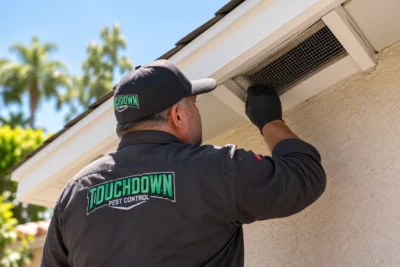
What Does Rodent Proofing Actually Include?
Rodent proofing services find and close the openings that rats and mice use to get into your home. This can include sealing gaps around pipes,
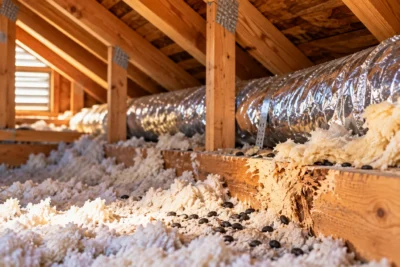
How Much Does Rodent Control Cost in Los Angeles?
The cost of rodent control in Los Angeles depends on the problem at your home. Where are the rats or mice? How are they getting
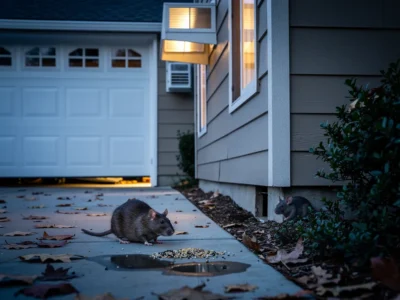
Why Do Rodent Calls Spike in the San Gabriel Valley Between October and January?
Rodent calls tend to increase between October and January as cooler nights and changing outdoor conditions lead rats and mice to look for dependable food,
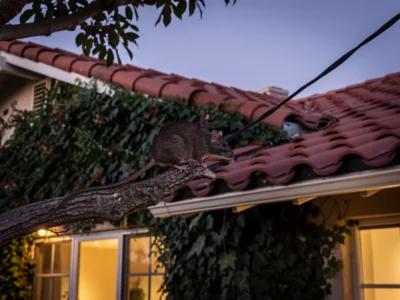
How Do You Get Rid of Rats in an Attic in Los Angeles?
Getting rats out of an attic takes more than trapping the rats already inside. You have to find how they are getting into the house,
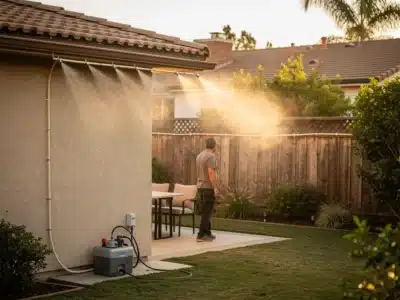
Are Backyard Mosquito Misting Systems Worth It in Los Angeles?
Transform your backyard into a mosquito-free oasis with our advanced misting systems in Los Angeles. Enjoy outdoor living without the nuisance of pests.