
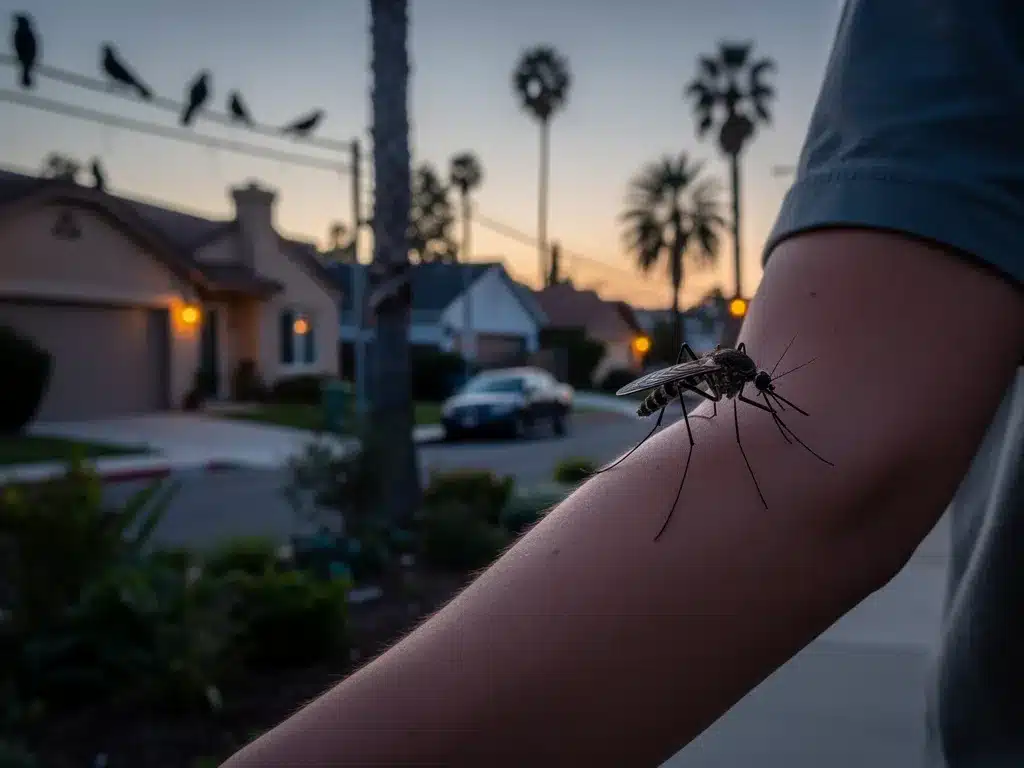
Yes, West Nile virus is a real risk in Los Angeles, but most people who become infected never develop symptoms. It is the leading cause of mosquito-borne disease in the continental United States, and a small percentage of infections become serious. Knowing which mosquito spreads it and how to lower your exposure goes a long way.
What West Nile Virus Actually Is
West Nile virus is spread mainly by Culex mosquitoes, the common house mosquitoes that are most active from dusk into the night. In LA County, Culex mosquitoes pick up the virus by feeding on infected birds, then can pass it to people through a bite. West Nile virus is not spread through ordinary person-to-person contact. People become infected primarily through the bite of an infected mosquito.
West Nile virus is an established seasonal public-health concern in Southern California. Its presence is not unusual, but it still deserves attention. Public-health and vector-control agencies monitor West Nile activity through mosquito testing, dead-bird reports, human and animal cases, and, in some areas, sentinel chicken flocks.
How Likely Are You to Get Sick?

Most infections do not cause symptoms. According to the CDC, about 8 in 10 people infected with West Nile virus feel nothing at all. About 1 in 5 develop a fever along with headache, body aches, joint pain, vomiting, or a rash, and most recover on their own, though the tiredness can linger.
About 1 in 150 infected people develop a serious illness that affects the nervous system, such as meningitis or encephalitis, which can be dangerous and sometimes lasting. Severe illness remains uncommon, but older adults and people with certain medical conditions face a higher risk. Seek immediate medical care for symptoms such as high fever, neck stiffness, confusion, muscle weakness, or tremors. There is no vaccine for people and no specific antiviral treatment, so prevention is the main defense.
Where the 2026 Season Stands
State health officials have described California’s 2026 West Nile activity as the highest seen in five years. In Los Angeles County, West Nile virus was detected in mosquito samples in May 2026. As of August 20, 2026, Los Angeles County had reported human infections and its first West Nile-related death of the year. The person lived in the San Fernando Valley and developed severe neurological illness.
Warm conditions can support mosquito activity, but local risk also depends on infected birds, mosquito numbers, and other environmental factors. The individual risk remains low, but West Nile is active locally and prevention matters.
How to Lower Your Risk
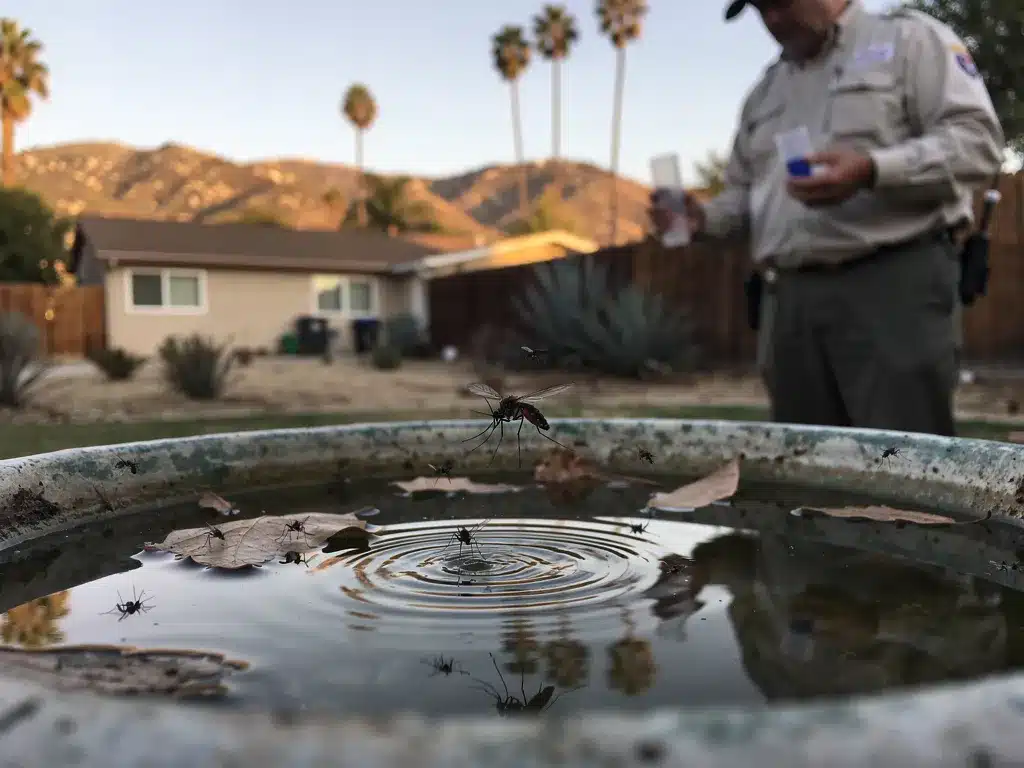
The same steps work every year. Reduce standing water on your property, since that is where Culex mosquitoes breed: empty and scrub anything that holds water at least once a week, clear clogged gutters, and stay on top of neglected pools, which are a major Culex source. Around dusk and after dark, use an EPA-registered repellent according to the label, wear protective clothing when you can, and repair torn window and door screens to keep mosquitoes out of the house.
Your local vector-control district can also help. Residents can report dead birds through California’s West Nile virus reporting system and contact their district about mosquito activity, neglected pools, or other suspected breeding sources. These public services are generally available to residents without a separate service charge, and they help the whole neighborhood.
Where Professional Mosquito Control Fits
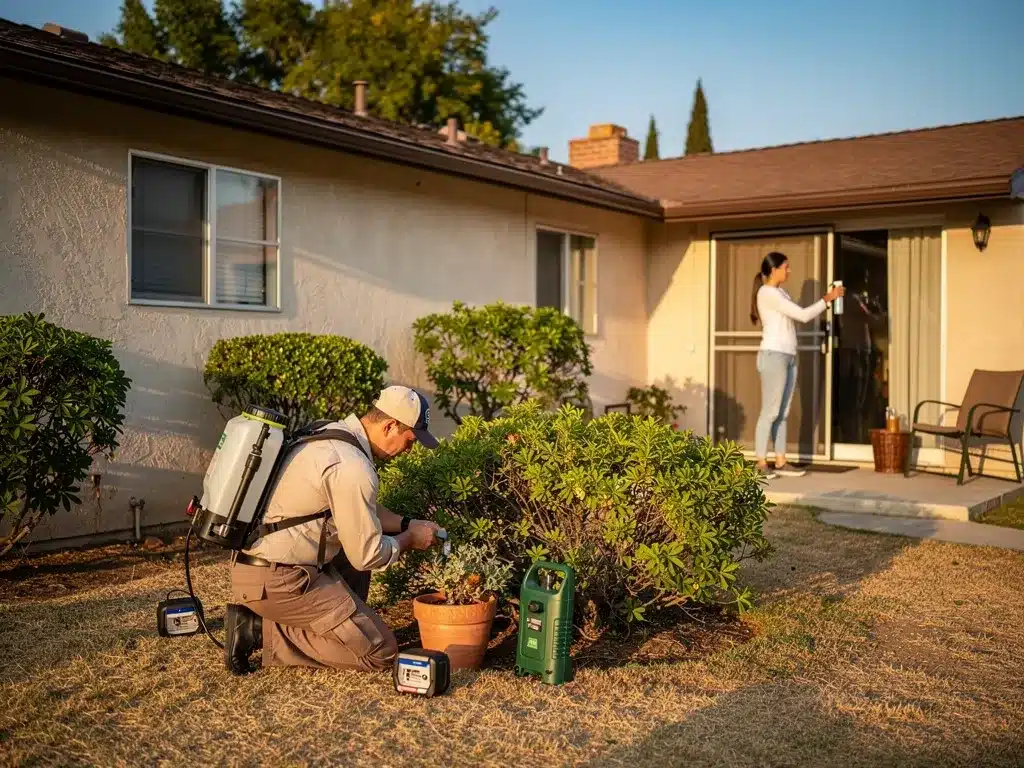
Even with professional treatment, you still need to protect yourself from bites. Professional service can reduce mosquito activity around the property. It works alongside the steps you take yourself and the broader work handled by local vector control.
TouchDown Pest Control begins by evaluating the property for mosquito activity, standing water, and adult resting areas, then recommends targeted treatment and mosquito-control devices appropriate to the conditions found. TouchDown offers seasonal mosquito service for six months, covering the warmer stretch when activity is usually highest. The program costs $160 per month for six months, for a total seasonal cost of $960.
TouchDown Pest Control is locally owned and based in West Covina, serving communities throughout the San Gabriel Valley and portions of Los Angeles County and the Inland Empire. Call (626) 966-5600 to talk through your property and whether the six-month seasonal mosquito program is the right fit.
Frequently Asked Questions
Which mosquito spreads West Nile virus in [Los Angeles?](https://touchdownpestcontrol.com/?p=13205)
Culex mosquitoes, the common house mosquitoes that are most active from dusk into the night. They pick up the virus from infected birds and can pass it to people by biting.
What are the symptoms of West Nile virus?
Most people have no symptoms. About 1 in 5 get a fever with headache, body aches, or a rash, and roughly 1 in 150 develop a serious illness affecting the nervous system. Older adults and people with certain health conditions are at higher risk.
How can I protect myself from West Nile virus?
Remove standing water, use an EPA-registered repellent around dusk and after dark, wear protective clothing, and keep window and door screens in good repair. There is no vaccine, so prevention is the main defense.
Can residential mosquito control eliminate West Nile virus risk?
No. Professional mosquito management may reduce mosquito activity around a property, but it cannot eliminate West Nile virus risk. Repellent, protective clothing, screens, standing-water removal, and public vector-control efforts remain important.