Rodent Infestation: Your Complete Guide to Protecting Your Home in 2025
A rodent infestation is more than a simple nuisance; it’s one of the most destructive and hazardous problems homeowners face. Rodents can spread bacteria, trigger allergies, chew through wiring, contaminate food, and cause thousands of dollars in damage if not addressed quickly. Touch Down Pest Control can help you in fighting rodent infestation. In 2025, rising temperatures and dense urban environments have significantly increased rodent activity across California, making prevention and fast treatment more important than ever.
This complete guide explains how rodent infestations start, the top warning signs, and the most effective ways to eliminate and prevent mice and rats from invading your home.
1. Why Rodent Infestations Are Increasing in 2025
Rodent populations have grown rapidly due to environmental, structural, and behavioral factors. Understanding these helps protect your home more effectively.
A. Climate Changes Fuel Rodent Growth
Warmer winters and longer warm seasons allow rats and mice to breed year-round. This means more activity — and more infestations — even during months that used to be quiet.
B. Urban Density Creates Perfect Conditions
Cities with older construction, dense neighborhoods, and easy food access provide ideal rodent habitats. Trash bins, outdoor dining, storage sheds, and home gardens all attract rodents searching for food.
C. Construction & Renovation Disturb Nesting Areas
New builds, home renovations, and street projects often push rodents out of hiding and into nearby homes.
D. Easy Entry Points in Homes
Rodents only need a space the size of a dime to enter. Cracked foundations, attic gaps, doors that don’t seal properly, and ventilation openings all serve as invitations for rodents.
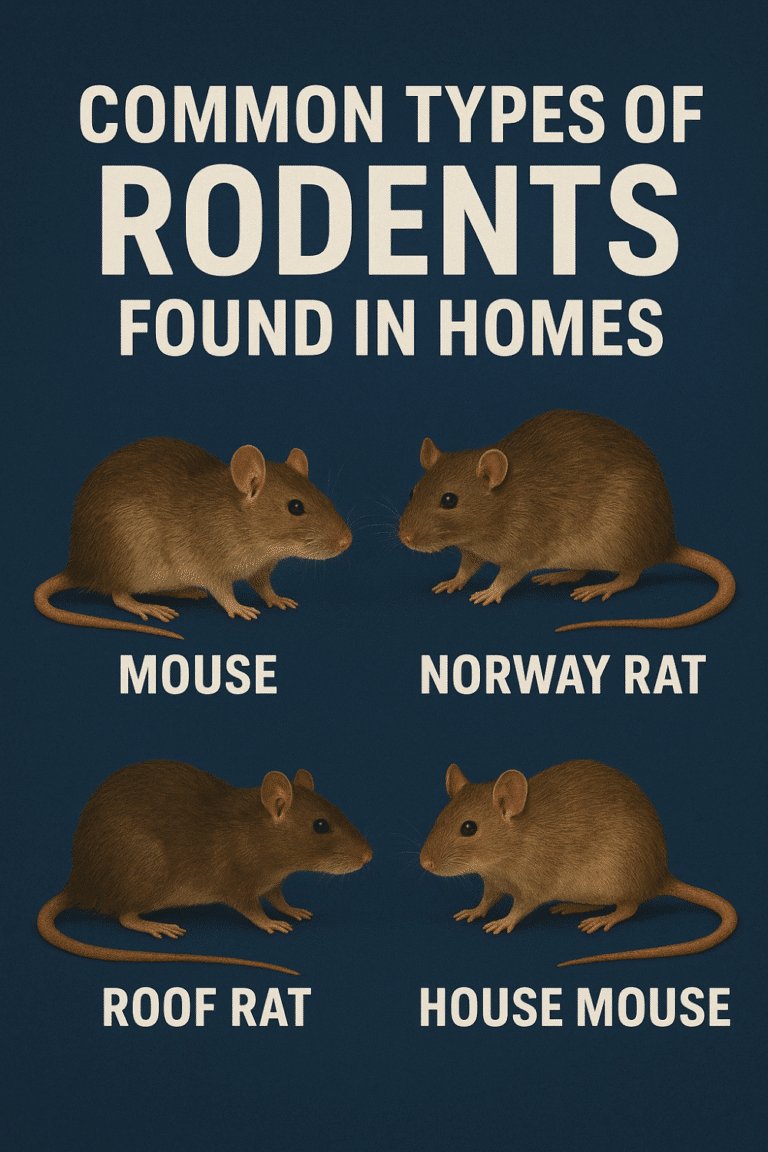
2. Common Types of Rodents Found in Homes
Different rodents behave differently, so proper identification is key.
Norway Rats
Large, aggressive, and often found in basements, crawl spaces, and lower levels.
Roof Rats
Common in California; nest in attics, palm trees, or rooflines.
House Mice
Small, fast, and capable of multiplying quickly — one pair can produce 60+ offspring a year.
Field Mice
Often enter homes during colder months in search of food and warmth.
Understanding the species helps determine the proper rodent control services required for long-term elimination.
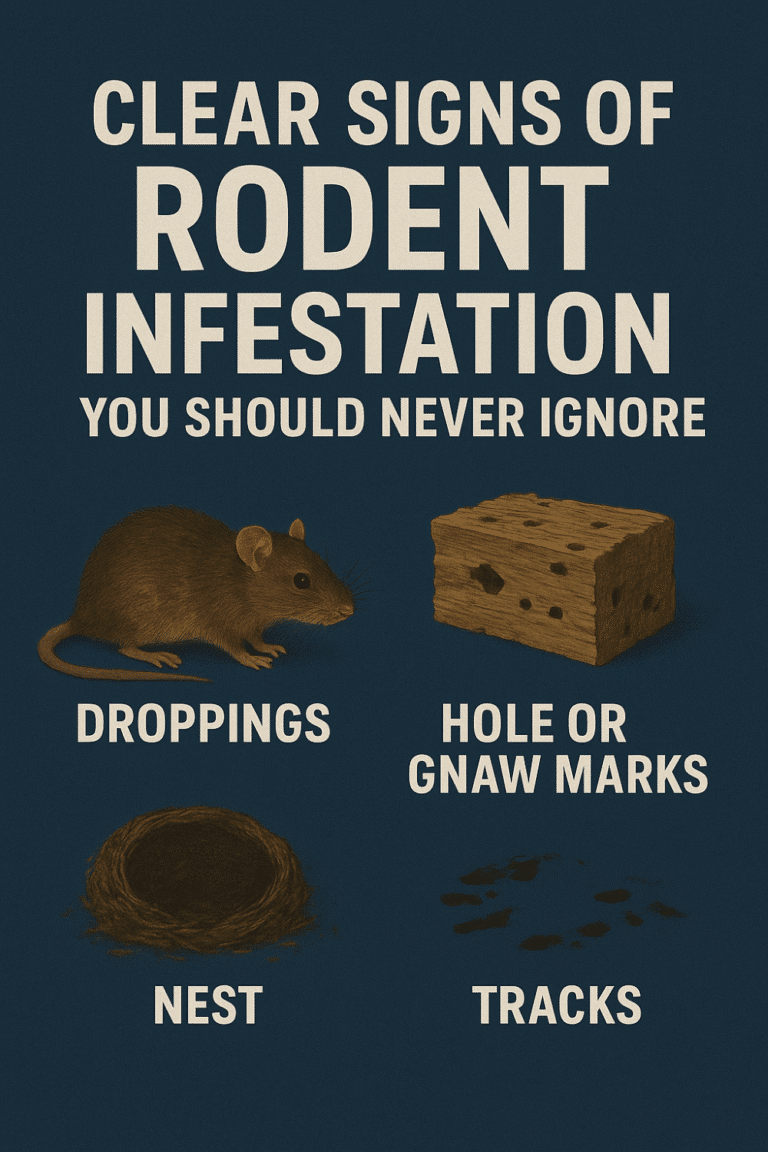
3. Clear Signs of Rodent Infestation You Should Never Ignore
If you notice any of these, you likely have an active rodent problem:
1. Droppings
Small black pellets near cabinets, pantries, drawers, attics, or appliances.
2. Scratching or Scurrying Sounds
Especially at night — noises in walls, ceilings, or floorboards.
3. Chewed Items
Damaged food packages, wiring, insulation, cardboard, or plastic containers.
4. Strange Odors
A musty ammonia-like smell often indicates urine buildup.
5. Grease Marks on Walls
Rodents leave oily trails from frequently used paths.
6. Shredded Nesting Materials
Paper, insulation, cloth, or fabric gathered in corners or hidden areas.
If you notice multiple signs, your mouse and rat infestation is likely advanced and requires immediate intervention.
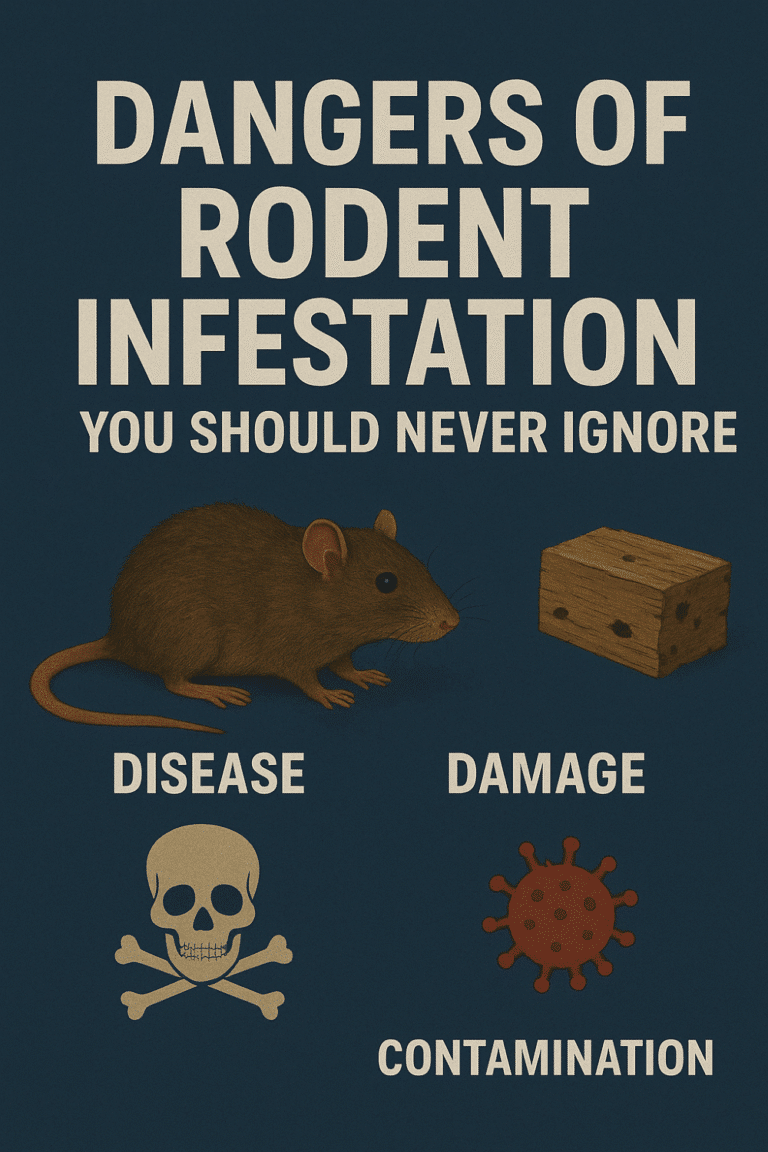
4. Dangers of Rodent Infestation in Your Home
Rodents cause more damage than most homeowners realize.
Health Risks
Rodents spread harmful bacteria such as Salmonella, hantavirus, and leptospirosis. Their droppings and urine can also trigger asthma and severe allergies.
Fire Hazards
Rodents chew electrical wiring, dramatically increasing the risk of electrical fires.
Food Contamination
One rat can contaminate 10 times more food than it eats.
Structural Damage
They chew through drywall, insulation, ducts, and wooden beams.
Secondary Pests
Fleas, mites, and ticks often accompany rodent activity.
Ignoring these risks can turn a minor issue into a major repair.
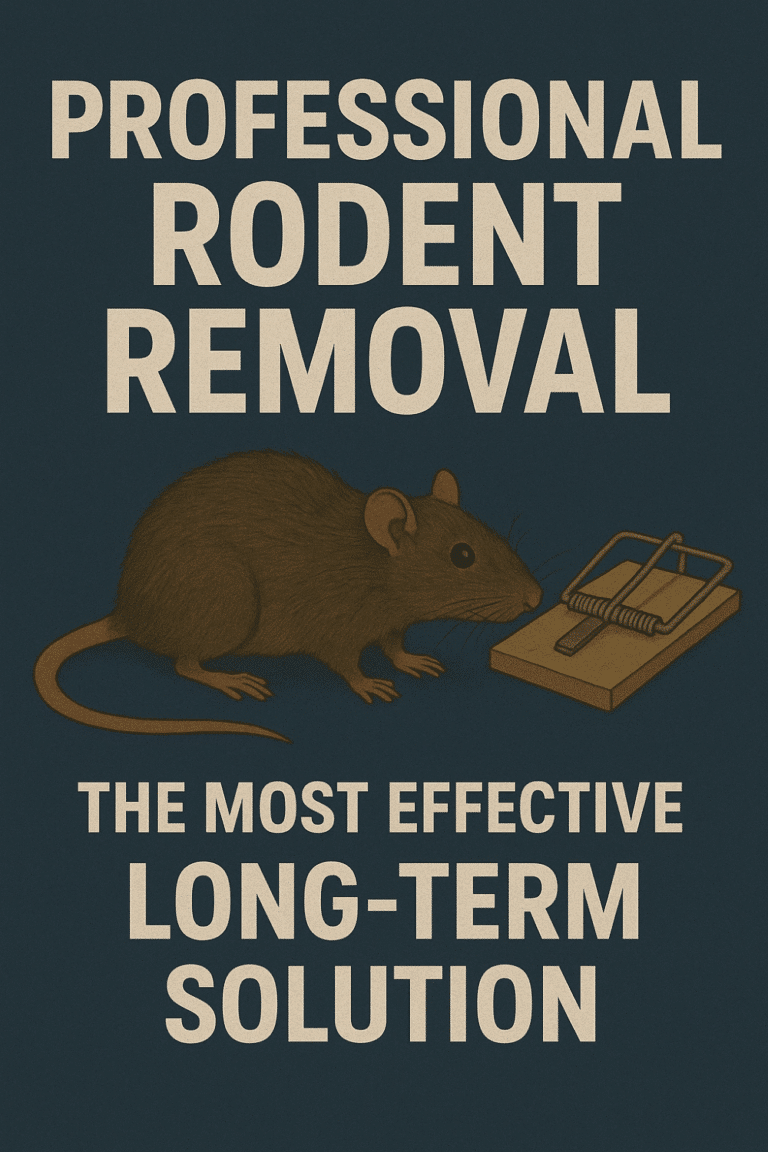
5. Professional Rodent Removal: The Most Effective Long-Term Solution
Experts use advanced tools and strategies that homeowners simply can’t replicate.
A. Thorough Rodent Inspection
Professionals identify:
- Species
- Entry points
- Nesting sites
- Level of activity
B. Strategic Trapping & Removal
Correct trap placement is crucial for fast elimination.
C. Sanitization & Decontamination
Removes droppings, bacteria, urine, and odors.
D. Rodent Proofing (Exclusion Services)
Seal every possible entry point with materials rodents cannot chew through.
E. Follow-Up Monitoring
Ensures the infestation doesn’t return.
If you want maximum protection, always choose a licensed team specializing in professional rodent removal.
Final Thoughts: Eliminate Rodent Infestations Before They Spread
A rodent infestation can be dangerous, costly, and fast-spreading. The earlier you act, the easier it is to eliminate the problem and protect your home. With the right prevention habits, expert help, and long-term exclusion services, you can keep your living spaces safe, healthy, and rodent-free all year long.
People Also Ask (FAQ)
1. What are the first signs of a rodent infestation?
Early signs of a rodent infestation include small droppings, scratching noises in walls or ceilings, gnaw marks on food packaging, shredded nesting material, and foul or musty odors. If you notice more than one of these signs, rodents are likely already inside your home.
2. How dangerous is a rodent infestation in a home?
A rodent infestation can be hazardous because rodents carry diseases, contaminate food, chew electrical wiring, and cause structural damage. Their droppings and urine can also trigger asthma and allergies, especially in children and pets.
3. How quickly can rodents multiply during an infestation?
Rodents reproduce extremely fast. A single pair of mice can produce up to 60 offspring in one year, and rats reproduce just as rapidly. This is why a small rodent infestation can become severe in only a few weeks.
4. Can I get rid of a rodent infestation myself?
DIY methods like traps or bait stations may catch a few rodents, but they rarely eliminate the entire rodent infestation. Professional rodent removal ensures all entry points are sealed, nests are removed, and the population is fully eliminated.
5. What should I do if I find rodent droppings in my home?
If you find droppings, clean the area safely with disinfectant and avoid sweeping (which spreads bacteria). More importantly, schedule a rodent inspection, because droppings almost always indicate an active rodent infestation.