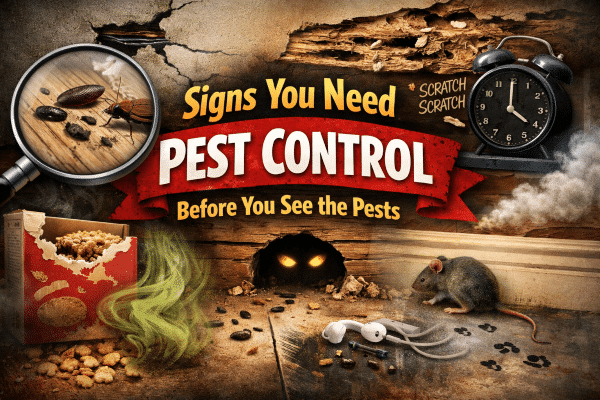
Signs You Need Pest Control Before You See the Pests
Most homeowners assume a pest problem begins the moment they actually see an insect or rodent. In reality, infestations almost always start weeks — sometimes months — earlier. By the time a bug casually walks across your floor in daylight, the colony has already settled in, multiplied, and claimed your home as a reliable food and shelter source.
Understanding the signs you need pest control early can save you from structural damage, contamination, sleepless nights, and expensive treatments. Pests rarely introduce themselves politely. They leave subtle clues, smells, sounds, stains, and damage — long before they make a visible appearance. The problem is, many people ignore these warning signals because they don’t look dramatic.
This guide will help you recognize the quiet indicators of hidden pest activity so you can act before a minor issue becomes a full infestation.
The Smell That Shouldn’t Exist
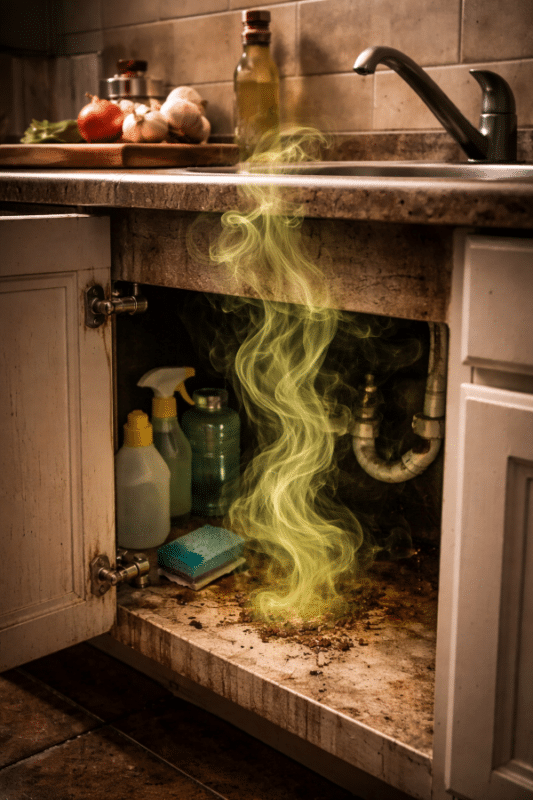
Your home has a normal scent profile. You instinctively know how it smells after cooking, cleaning, or after rain. When pests move in, they change that environment.
Rodents produce a sharp, musky odor similar to ammonia. Cockroaches create an oily, stale smell that lingers in kitchens and cabinets. Termites often generate a faint mold-like scent caused by moisture buildup in their tunnels.
These smells don’t come and go — they slowly intensify.
Homeowners often spray air freshener or deep clean the area, only to notice the odor returning within hours. That repeating smell is not a cleaning problem. It is a biological activity and touchdown pest control can help you to identify it.
Persistent unexplained odor is one of the earliest hidden pest infestation signs because pests communicate through pheromones. The more they gather, the stronger the smell becomes.
If a specific corner, cabinet, or wall consistently smells strange despite cleaning, your home is telling you something is living inside it.
Night Sounds Inside Walls and Ceilings
Silence at night amplifies tiny noises most people ignore during the day. Scratching, tapping, soft gnawing, or faint movement inside walls are classic early warning signs of pests.
Rodents are nocturnal. They explore, chew, and build nests when your home becomes quiet. Termites make faint clicking sounds as soldiers tap their heads to signal danger. Even large cockroach populations create subtle rustling behind appliances.
People often mistake these sounds for:
- pipes expanding
- wood settling
- air vents shifting
But structural sounds are random. Pest sounds repeat in patterns — same time, same area, night after night.
If the noise stops when you turn on the light or approach the wall, something alive is reacting to your presence. That is a strong indicator that you should not wait for visible sightings.
Droppings That Appear Out of Nowhere
One of the most reliable signs you need pest control is the sudden appearance of small particles that keep returning after cleaning.
Rodent droppings resemble dark rice grains. Cockroach droppings look like pepper or coffee grounds. Termite frass appears like tiny wood-colored pellets near walls or window frames.
The key factor isn’t just seeing them, it’s seeing them again.
Cleaning removes evidence, but it does not remove the source. Fresh droppings within 24–48 hours confirm active feeding behavior nearby. That means the pests are not visiting. They are living there.
Ignoring droppings is the most common reason infestations explode. Each drop is proof the population is growing.
Grease Marks and Mysterious Stains
Pests travel the same routes repeatedly. Over time, their bodies leave visible trails.
Rodents rub along baseboards, leaving dark grease smears. Cockroaches leave streaks near water sources. Bed bugs leave tiny ink-like dots along mattress seams and furniture joints.
These marks appear slowly, so homeowners often overlook them until they form obvious lines. By then, pests have already established highways inside the home.
A helpful rule: random dirt is scattered — pest residue forms patterns.
Patterns mean routine movement. Routine movement means nesting nearby.
Unexplained Allergies or Skin Reactions
Sometimes your body detects pests before your eyes do.
Frequent sneezing indoors, itchy skin at night, or unexplained rashes may come from microscopic pest debris. Cockroach particles and rodent dander become airborne and circulate through air systems. Bed bugs cause small bite clusters often mistaken for mosquito bites.
If symptoms improve when you leave home but return indoors, it’s not seasonal irritation — it’s environmental contamination.
Many families only realize the problem after weeks of discomfort, even though the early indicators were present all along.
Tiny Structural Changes You Should Never Ignore
Structural clues are often the most expensive ones to ignore because they mean pests have moved beyond exploring and into nesting.
Watch for:
- paint bubbling for no moisture reason
- hollow-sounding wood
- doors suddenly misaligned
- baseboards separating from the walls
- small piles of dust under wood surfaces
Termites eat wood from the inside out. The surface remains intact until internal damage becomes severe. When wood sounds empty when tapped, the colony has been active for months.
Homeowners commonly postpone action because they haven’t seen insects yet. Unfortunately, structural pests are specifically designed to remain hidden. Visible insects usually appear only after damage is advanced.
Increased Insect Sightings at Odd Times
Seeing one insect during the day is rarely random. It depends if they are more active in the day or at night.
Most pests avoid light and activity. When they appear in open spaces during daylight, it usually means overcrowding inside the nesting area. The colony is expanding beyond its hiding place.
A single daytime cockroach often represents dozens behind walls. A lone ant trail means a food source has been mapped. A visible termite swarm indicates a mature colony releasing new members.
Visibility is not the beginning of the problem, it is a late stage.
Pet Behavior Changes
Pets notice movement, scent, and sound long before humans do.
A dog obsessively sniffing a wall, pawing a cabinet, or staring at a ceiling corner is reacting to activity you cannot detect yet. Cats often sit quietly watching a specific vent or appliance area where insects gather for warmth.
Animals don’t invent interest. Repeated attention to the same location is a biological alert system.
If your pet keeps returning to a single hidden spot, inspect it closely. Many infestations are discovered this way.
Food Packaging Damage
Pantry pests rarely start by invading open food. They chew through packaging.
Small holes in flour bags, cereal boxes, or rice packets indicate insects or rodents are feeding regularly. The mistake homeowners make is discarding the damaged item and assuming the problem is solved.
Pests choose storage areas because they provide continuous food supply. If one package is affected, the infestation exists beyond that item.
You removed the evidence — not the infestation.
Why Acting Early Matters
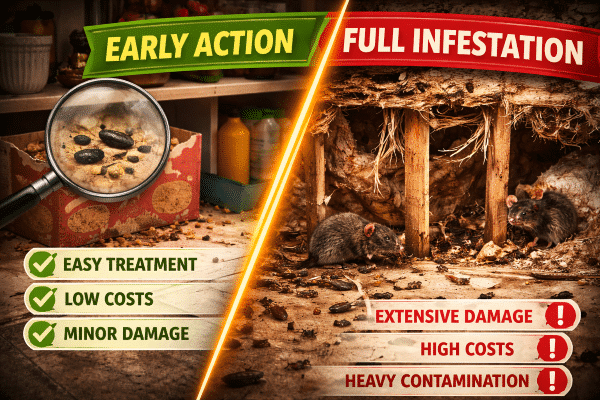
Early action is not just about convenience — it’s about cost control, and let Touchdown Pest Control help you with that.
When pests first enter a home, treatment targets entry points and limited nesting areas. Once colonies expand, treatment requires larger coverage, repeated visits, and sometimes repairs.
Waiting for visible pests means:
- larger populations
- structural damage
- contamination risks
- higher treatment costs
Recognizing unnoticed pest activity keeps the problem manageable.
Prevention is always simpler than elimination.
Pests are survival experts. Their advantage comes from remaining unseen while they grow in number. Homeowners who wait for a clear visual confirmation often discover the infestation only after damage or contamination has already occurred.
The early clues are always there — smells that don’t belong, sounds at night, stains that return, or materials slowly changing shape. Learning to notice these signals shifts pest control from reaction to prevention.
When you respond to the quiet warnings instead of the obvious sightings, you protect not only your property but also your comfort and peace of mind.
The moment your home behaves differently without explanation, trust the pattern. Homes rarely change on their own — living things cause change.
People Also Ask (FAQ)
1. How do I know if these signs really mean I need professional pest control?
If any indicator repeats, recurring droppings, nightly sounds, persistent odor, or structural changes, it confirms ongoing activity. One-time events can be accidental, but repeated patterns are reliable signs you need pest control because pests establish routines when they settle into a home.
2. Can a clean home still have pests?
Yes. Cleanliness reduces attraction but does not eliminate access. Many infestations begin due to entry points, moisture, or shelter rather than food. Even spotless homes can show early warning signs of pests when insects or rodents enter through gaps, plumbing lines, or attic spaces.
3. How long should I wait after noticing early pest activity?
You shouldn’t wait. Early indicators mean pests have already started settling in. Acting immediately prevents population growth and structural damage, while delaying allows colonies to multiply and spread into multiple areas of the home.