

Understanding Ant Problems in Southern California
Ant Problems in Southern California have become a consistent frustration for homeowners year after year. The region’s warm climate, access to water, and dense residential construction create the perfect combination that attracts different ant species from spring through late winter. Unlike colder states where freezing temperatures slow pests down, Southern California rarely offers a break, allowing ants to remain active, forage for food, and expand their colonies across neighborhoods. For many homeowners, it may seem like they clean up one trail only to find another forming within days, making the issue feel endless and difficult to control. For this purpose, contact Touchdown Pest Control to get rid of your ant problems.
The biggest challenge with ongoing Ant Problems in Southern California is how adaptable ants are as a species. Colonies can split and form new satellite colonies when disturbed, meaning basic store-bought sprays often make infestations worse over time. With food storage habits, plumbing leaks, landscaping features, and even weather patterns contributing to activity, it becomes clear why so many families continue to deal with persistent ant activity throughout the year, regardless of how clean they keep their home. Understanding the behavior of ants is the first step in controlling them effectively.
Common Ant Species Homeowners Encounter
Southern California is home to several dominant ant species, including Argentine ants, odorous house ants, and carpenter ants. Argentine ants are especially common and are known for creating extremely large super-colonies that stretch across miles of suburban terrain. These species are highly aggressive and will quickly relocate when threatened, which is why traditional household sprays often only address the visible workers and not the colony itself. As these colonies grow, they increase their search radius for food and water, frequently entering kitchens, bathrooms, and garages.
Why Ant Problems in Southern California Keep Reoccurring
Many homeowners assume that the presence of ants inside their home is a sign of poor sanitation, but that is rarely the full story. Ant Problems in Southern California recur primarily because outdoor colonies thrive year-round and continuously send new workers out to find resources. When successful trails lead into a home, ants create pheromone highways so other members of the colony can follow. Even after homeowners wipe away these trails, the primary colony remains untouched and continues to produce new workers. This cycle repeats until the colony is actively targeted and eliminated at its source.
Seasonal conditions also play a major role in recurring ant behavior. During hot summer months, ants search for moisture indoors. During colder or wetter months, colonies seek warmth and food inside homes where they can survive comfortably. Southern California’s mild climate allows colonies to remain active during all seasons, making infestations persistent without professional intervention. To make matters worse, colonies can contain thousands or hundreds of thousands of ants, meaning eliminating a few workers never meaningfully impacts the population.

Home Factors That Encourage Reinfestation
Several environmental and structural factors contribute to recurring ant invasions. Cracks in foundations, gaps around doors, vegetation touching the home’s siding, and plumbing leaks create high-value access points. Pantries and kitchens provide food sources like crumbs, sugar, pet kibble, and even residue left on bottles or dishes. Bathrooms attract ants seeking moisture from showers and faucets, particularly during the dry season. Even well-maintained homes are vulnerable due to these unavoidable environmental conditions.
The Impact of Climate and Geography on Ant Activity
Ant Problems in Southern California cannot be separated from the region’s unique climate. The area’s Mediterranean weather — warm, dry summers and mild, wet winters — creates an environment that favors ant colony expansion. Ants rely on steady moisture levels and food availability to survive, and Southern California offers both. As cities grow and more residential neighborhoods replace natural land, ants shift their nesting environments from soil and forests to landscaped yards, gardens, retaining walls, and home foundations.
Urban development has amplified ant presence by providing food and water sources that are both abundant and predictable. Irrigation systems, leaky faucets, outdoor pet feeding, and organic gardens offer nutrient-rich environments for colonies. Ants take advantage of these artificial resources, establishing nests near human activity and continually expanding toward homes. Once colonies are settled, they can survive for years without significant disturbance, producing millions of workers over their lifespan.

Argentine Ants and Their Dominance in Southern California
Argentine ants deserve special mention due to the scale of their impact on Ant Problems in Southern California. These invasive ants form massive super-colonies that cooperate instead of competing, making them far harder to eliminate than native species. Their colonies share food and resources across large distances, which means eliminating one nest does not affect the colony as a whole. Their dominance has pushed out many native ant species and significantly contributed to ongoing infestations across the region.
How Homeowners Attempt to Treat Ant Issues — and Why It Often Fails
Most homeowners attempt to resolve ant infestations through DIY treatments found at grocery stores or home improvement centers. While these products may temporarily eliminate visible ants, they rarely address the colony itself. Sprays designed to kill on contact repel ants rather than eliminate them, causing colonies to split, also known as budding. When budding occurs, multiple satellite colonies emerge, and infestations spread instead of shrinking. This phenomenon explains why Ant Problems in Southern California frequently worsen after DIY treatment attempts.
Homeowners also underestimate the pheromone communication system ants use. Even after killing visible ants, trails remain chemically marked, inviting new workers to revisit the same entry points and food sources. Without destroying both the colony and the pheromone trail, infestations continue. Some homeowners attempt baiting but use incorrect bait types based on the colony’s seasonal nutritional needs. For example, ants may prefer proteins during colony growth and sugars during active foraging cycles. Mismatched bait results in slow or ineffective colony suppression.
The Importance of Colony-Level Treatment
Colony-level treatment is essential in reducing Ant Problems in Southern California. Instead of simply killing workers, professional pest control strategies target the colony’s reproductive structure and resource network. Strategic baiting combined with barrier treatments ensures that worker ants carry active ingredients back to the nest, affecting the queen and halting colony expansion. This process disrupts the reproductive cycle and prevents outbreaks from returning in the same areas.
Professional Solutions for Ant Problems in Southern California
Professional pest control companies like Touchdown Pest Control take a strategic, long-term approach to eliminating ant infestations. Instead of temporary surface treatments, professionals focus on root-cause elimination and environmental correction. Inspection plays a critical role in this process. Technicians assess entry points, moisture sources, landscaping features, and nesting locations around the property to identify how ants are gaining access. Once identified, a tailored treatment plan is designed to both eliminate active colonies and prevent future infestations.
Touchdown Pest Control uses commercial-grade products and integrated pest management (IPM) techniques to ensure safety and effectiveness. Baits, perimeter barriers, nest treatments, and preventive monitoring work together to reduce ant pressure both inside and outside the home. Year-round service is highly recommended in Southern California due to the continuous activity of local ant populations. With consistent maintenance, colonies are suppressed before they reach population sizes that trigger indoor foraging.
Why Touchdown Pest Control Is the Best Choice for Homeowners
Touchdown Pest Control offers solutions specifically designed for Southern California’s unique climate and pest behavior patterns. By focusing on colony-level elimination and preventive strategies, the company ensures homeowners do not experience ongoing frustration from recurring infestations. Experienced technicians, long-term monitoring, and environmentally conscious treatment plans make Touchdown Pest Control the preferred option for families seeking reliable ant management services in the region.
People Also Ask (FAQ)
1. Why do Ant Problems in Southern California happen year-round?
Ant Problems in Southern California occur year-round because the region’s mild climate keeps colonies active during every season. Unlike colder states where winter slows ant activity, Southern California provides consistent warmth, moisture, and food sources that allow ants to forage continuously. This means homeowners often experience new ant trails even after cleaning, making year-round prevention essential.
2. What are the most common ants found in Southern California homes?
The most common ants responsible for Ant Problems in Southern California are Argentine ants, odorous house ants, and carpenter ants. Argentine ants are the most aggressive species and build massive super-colonies that spread through neighborhoods. These ants often invade kitchens, bathrooms, and outdoor eating areas in search of food and moisture, making them the primary cause of recurring infestations.
3. Why do ants keep coming back even after treatment?
Ants keep returning because most DIY sprays only kill the ants you can see and do not eliminate the colony. When surface sprays are used, colonies may split and form multiple new nests, a process known as budding. This makes Ant Problems in Southern California worse over time. To fully stop an infestation, the colony must be targeted with properly selected baits and professional treatments that reach the queen.
4. Can food and cleanliness alone prevent recurring ant issues?
Maintaining a clean home helps reduce ant activity, but it does not fully prevent Ant Problems in Southern California. Even spotless kitchens can attract ants because colonies outside your home are constantly foraging for new resources. Small cracks, plumbing leaks, humidity, and nearby landscaping can all draw ants indoors regardless of cleanliness. Professional prevention is recommended for long-term results.
5. How does the weather affect ant activity in Southern California?
Weather plays a major role in Ant Problems in Southern California. Hot, dry summers push ants indoors in search of water, while cooler or rainy seasons encourage colonies to seek warmth and food inside homes. Since Southern California rarely experiences freezing temperatures, ant colonies remain active all year, which contributes to the persistent infestations homeowners face.
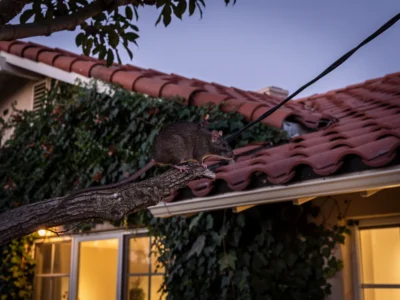
How Do You Get Rid of Rats in an Attic in Los Angeles?
Getting rats out of an attic takes more than trapping the rats already inside. You have to find how they are getting into the house,
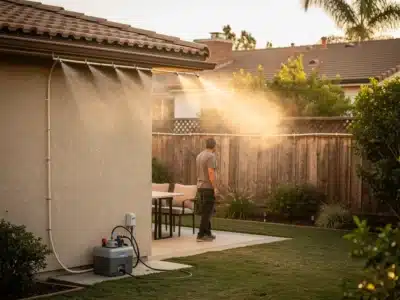
Are Backyard Mosquito Misting Systems Worth It in Los Angeles?
Transform your backyard into a mosquito-free oasis with our advanced misting systems in Los Angeles. Enjoy outdoor living without the nuisance of pests.
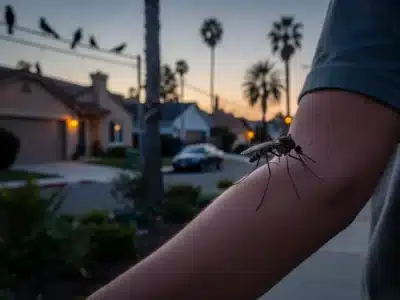
Is West Nile Virus a Real Risk from Mosquitoes in Los Angeles?
Stay informed about West Nile Virus risks from mosquitoes in LA. Learn prevention tips and protect your health with expert advice and safety measures.
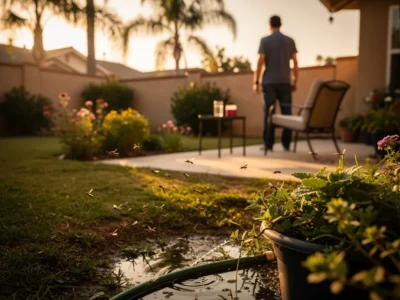
When Is Mosquito Season in Los Angeles?
Understand when mosquito season hits Los Angeles. Get key insights to protect your home and enjoy the outdoors without pesky interruptions. Stay informed!

What Are Ankle-Biter Mosquitoes and Why Are They Invading Los Angeles?
Uncover the reasons behind the surge of ankle-biter mosquitoes in Los Angeles. Learn how to protect yourself and keep these pests at bay effectively.