Choosing a Commercial Pest Control Partner: What to Look For
Selecting the right commercial pest control partner is one of the most important decisions a business owner or facility manager can make. Pests are more than just a nuisance in commercial environments—they can damage inventory, disrupt operations, harm employee well-being, and significantly impact your brand’s reputation. Unlike residential pest control, commercial services require a deeper level of expertise, consistent monitoring, and strict adherence to compliance standards.
Many businesses make the mistake of choosing a pest control provider based solely on price. While cost is important, it should never be the only factor. A low-cost provider that lacks experience, proper documentation, or preventive strategies can end up costing far more in the long run. The right partner, like Touchdown Pest Control, on the other hand, will act as a proactive extension of your operations—helping you prevent problems before they arise and ensuring your business remains pest-free year-round.
In this guide, we’ll explore what to look for when choosing a commercial pest control partner, focusing on the factors that truly matter for long-term success.
Licensing, Certifications, and Compliance Standards
The foundation of any reliable commercial pest control service is proper licensing and certification. This ensures that the company operates within legal guidelines and follows industry best practices. When evaluating a provider, it’s essential to verify that they are fully licensed and insured to perform commercial pest control services in your area.
Licensed technicians are trained to handle pesticides safely and effectively, reducing risks to employees, customers, and the environment. In commercial settings—especially in industries like food service, healthcare, and logistics—compliance is critical. Regulatory inspections often require proof of pest control measures, and working with an unlicensed provider can result in fines or even temporary shutdowns.
Beyond basic licensing, look for companies that invest in ongoing training and certifications for their technicians. This demonstrates a commitment to staying updated with the latest pest control methods, safety protocols, and regulatory requirements. A strong commercial pest control partner understands that compliance is not optional—it’s a core part of protecting your business.
Industry Experience and Specialized Expertise
Not all pest control companies are equipped to handle the complexities of commercial environments. Offices, warehouses, restaurants, and industrial facilities each present unique challenges that require specialized knowledge and experience.
For example, a warehouse may face rodent issues due to large storage areas and frequent shipments, while a restaurant must maintain strict sanitation standards to avoid health violations. A provider with relevant industry experience will understand these challenges and implement targeted strategies that address the root causes of infestations.
When choosing a commercial pest control partner, ask about their experience with businesses similar to yours. A company that has worked extensively in your industry will be better prepared to identify risks, respond quickly to issues, and maintain compliance with regulations.
Experience also translates into efficiency. Seasoned professionals can quickly assess a situation, implement effective solutions, and prevent recurring problems. This level of expertise is invaluable in maintaining a safe and pest-free environment.
Customized Treatment Plans and Preventive Strategies
Every commercial property is different, which is why a one-size-fits-all approach to pest control simply doesn’t work. A reliable commercial pest control partner will take the time to understand your facility, identify vulnerabilities, and develop a customized treatment plan tailored to your specific needs.
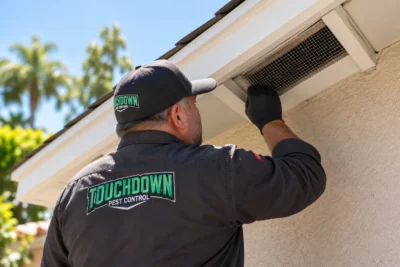
This process typically begins with a comprehensive inspection. The provider should evaluate entry points, sanitation practices, structural conditions, and high-risk areas such as loading docks, storage rooms, and waste disposal zones. Based on this assessment, they will create a strategy that focuses not only on eliminating existing pests but also on preventing future infestations.
Preventive strategies are a key component of effective pest control. These may include sealing entry points, improving sanitation practices, installing monitoring systems, and scheduling regular inspections. By addressing the root causes of pest problems, your provider can significantly reduce the likelihood of recurring issues.
A proactive approach not only saves money but also minimizes disruptions to your business operations. Instead of reacting to infestations, you’ll have a system in place that keeps pests under control at all times.
Response Time, Communication, and Reporting
In a commercial setting, time is critical. A delayed response to a pest issue can quickly escalate into a larger problem, affecting operations and customer perception. That’s why response time is a crucial factor when choosing a commercial pest control partner.
A dependable provider should offer prompt service, including emergency response options when needed. Whether it’s a sudden rodent sighting or an unexpected inspection, you need a partner who can act quickly and effectively.
Equally important is communication. A professional pest control company will keep you informed at every stage of the process, from initial inspection to ongoing maintenance. Clear communication ensures that you understand what actions are being taken and why.
Detailed reporting is another essential aspect of commercial pest control. After each service visit, your provider should supply documentation that includes inspection findings, treatments performed, pest activity trends, and recommendations for improvement. These reports are not only useful for tracking progress but also critical for compliance during audits and inspections.
A company that prioritizes communication and documentation demonstrates professionalism and accountability—two qualities that are essential for long-term partnerships.
Accountability, Reputation, and Long-Term Value
Ultimately, the best commercial pest control partner is one that stands behind their work and consistently delivers results. Accountability is a key factor that separates reliable providers from those that fall short.
A trustworthy company will offer transparent pricing, clear service agreements, and measurable results. They should be willing to address concerns, adjust strategies when needed, and take responsibility for the effectiveness of their services.
Reputation also plays a significant role in your decision-making process. Take the time to research online reviews, testimonials, and case studies. Consistent positive feedback from other businesses is a strong indicator of reliability and performance.
It’s also important to consider the long-term value of your investment. While some providers may offer lower upfront costs, they may lack the expertise or resources needed to deliver lasting results. A high-quality commercial pest control partner, on the other hand, will focus on prevention, efficiency, and continuous improvement—helping you save money over time.
By choosing a partner that prioritizes accountability and long-term value, you’re not just addressing pest issues—you’re investing in the overall success and stability of your business.
Conclusion
Choosing the right commercial pest control partner is about more than just solving immediate problems. It’s about building a relationship with a provider who understands your business, anticipates challenges, and delivers consistent, reliable results.
From licensing and experience to customized plans and proactive communication, every factor plays a role in ensuring your business remains protected. By taking the time to evaluate your options carefully, you can find a partner like Touchdown Pest Control that aligns with your goals and helps you maintain a safe, compliant, and pest-free environment.
In the long run, this decision will not only protect your operations but also enhance your reputation and give you peace of mind.
People Also Ask (FAQ)
1. What should I look for in a commercial pest control partner?
You should look for proper licensing, industry experience, customized treatment plans, fast response times, and detailed reporting.
2. How often should commercial pest control services be scheduled?
Most businesses require monthly or quarterly services, depending on their risk level and industry requirements.
3. Why is prevention important in commercial pest control?
Prevention helps eliminate the root causes of infestations, reducing long-term costs and minimizing disruptions.
4. Are eco-friendly pest control solutions effective for businesses?
Yes, modern eco-friendly methods are highly effective when combined with a comprehensive pest management strategy.
5. How can pest control impact my business reputation?
Pest issues can lead to negative reviews, failed inspections, and loss of customer trust, making professional pest control essential.